
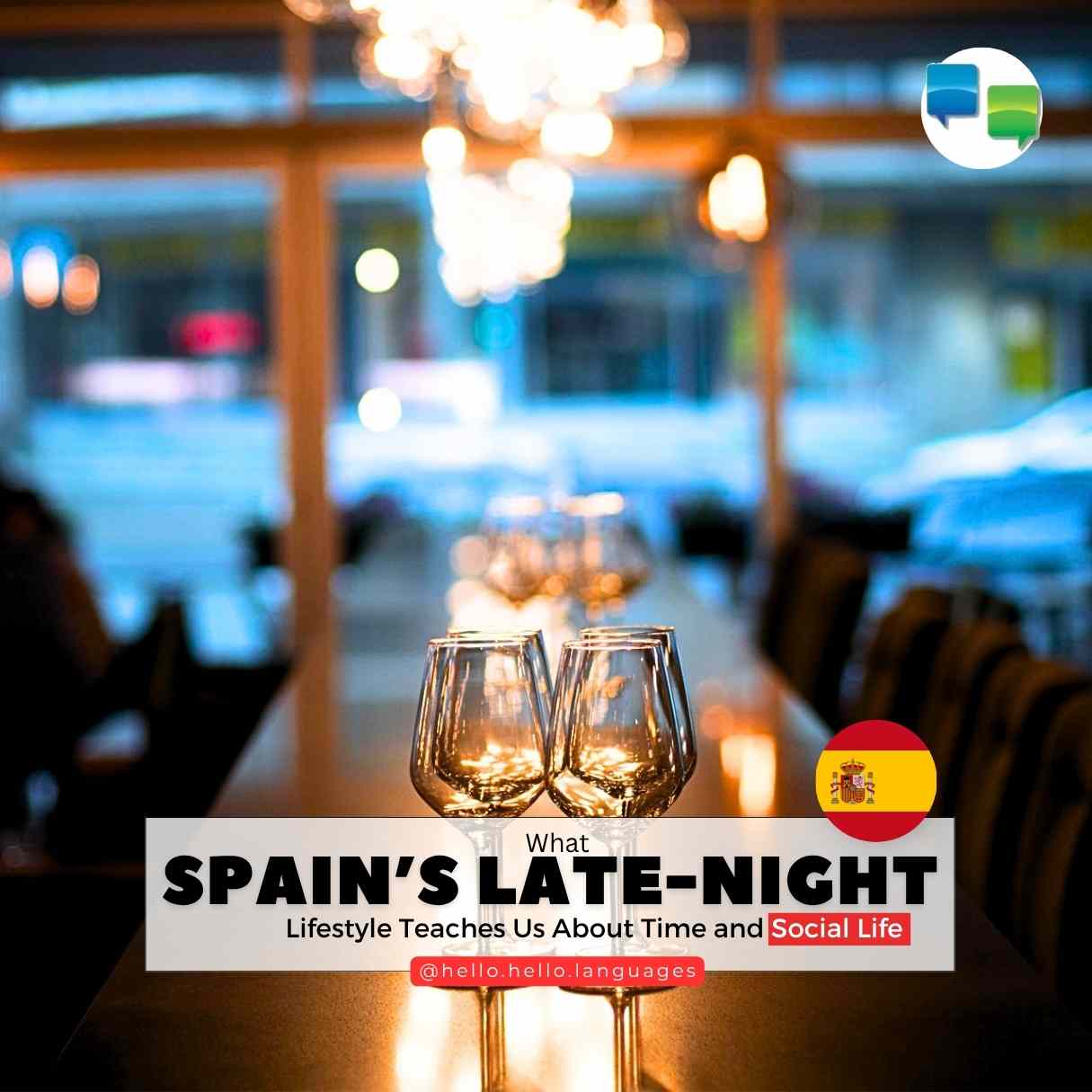
Direct Answer Summary
- Spain’s late-night culture reflects its dining traditions, working schedules, and strong social connections.
- Long meals and evening gatherings show how socialising can become an important part of everyday life.
- The Spanish lifestyle also raises questions about sleep, productivity, and work-life balance.

Imagine having dinner at 10 p.m., meeting friends long after sunset, and finding restaurants buzzing with activity when many other countries are winding down for the night. For first-time visitors, this is one of the most surprising aspects of Spanish culture.
Spain is famous for its late meals, lively streets, and extended social gatherings. However, this schedule is not simply the result of a relaxed attitude towards time. Historical decisions, working hours, climate, and social customs have all contributed to the country’s distinctive daily rhythm. Understanding these influences reveals important lessons about how societies balance work, relationships, and personal time shares, by Hello-Hello, a leading Spanish language learning app developer for iOS and Android devices.

Why Does Spain Follow Such a Late Daily Schedule?
In many parts of Spain, lunch traditionally takes place around 2 p.m., while dinner may begin at 9 p.m. or later. Restaurants in popular areas can remain busy well into the night, particularly on weekends.
One historical factor behind this pattern is Spain’s time zone. During the Second World War, General Francisco Franco moved mainland Spain’s clocks forward by an hour, aligning the country with Central European Time. The decision contributed to a difference between official clock time and the country’s geographical position.
Long afternoon breaks and working days that extend into the evening have also helped sustain later meal times. Although schedules vary between regions, industries, and individuals, these overlapping influences have shaped Spain’s reputation as a country that stays awake late.
“The real value of time lies not only in how we spend our working hours, but also in the connections and experiences we make room for.” Says, Ms Sarah Gontijo, CEO & Co-Founder, Hello-Hello, who holds a Bachelor’s in Law from Faculdades Milton Campos and a Master’s in Political Management from The George Washington University.
How Does Late-Night Culture Strengthen Social Connections?
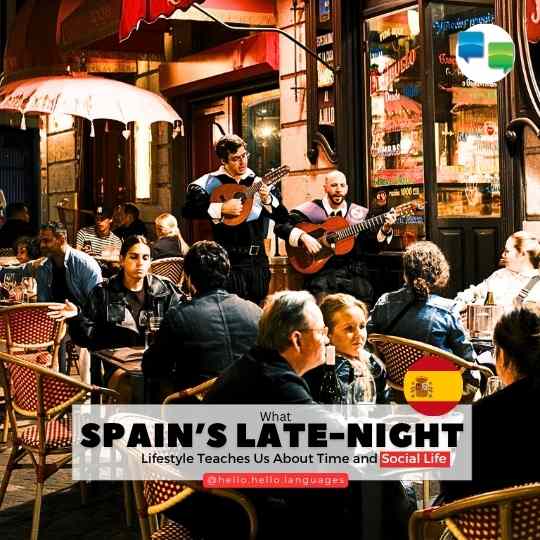
In Spain, meals often serve a purpose beyond satisfying hunger. They provide opportunities for families to reconnect, friends to exchange stories, and colleagues to spend time together outside work. A meal may continue long after everyone has finished eating, with conversation becoming the main attraction. This extended time at the table reflects a social tradition in which relationships are nurtured through shared experiences rather than rushed encounters. Public squares, cafés, terraces, and neighbourhood restaurants also play an important role. People can meet friends, observe everyday life, and enjoy their communities without needing to organise elaborate gatherings at home. For visitors accustomed to early dinners and tightly scheduled evenings, this approach offers a different perspective: social connection can be treated as an essential part of daily life rather than an activity squeezed into spare time.
Is the Famous Spanish Siesta Still Part of Everyday Life?
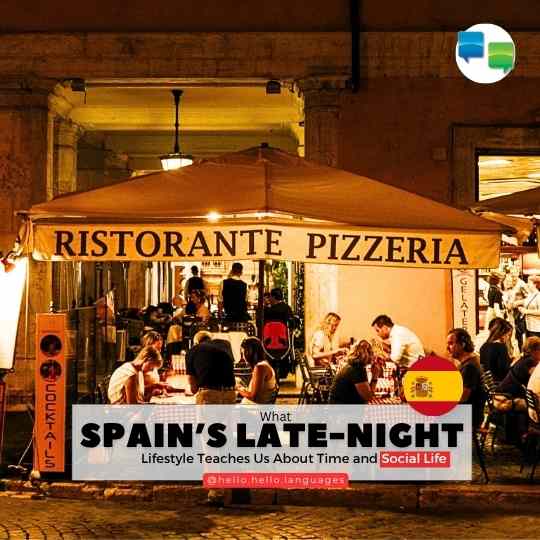
The siesta is one of Spain’s most recognisable cultural symbols, but the popular image of an entire country taking an afternoon nap is misleading. Research cited in a 2024 CNN report indicated that fewer than one in five Spaniards regularly slept during the traditional siesta period. Historically, the afternoon break provided an opportunity to rest during the hottest part of the day, eat lunch, or return home between work shifts. Today, some businesses still close for several hours in the afternoon, particularly in smaller towns, while many large cities and workplaces follow more continuous schedules. The distinction matters because an afternoon break does not necessarily mean additional leisure time. For workers who must return to their jobs later, it can extend the working day and delay dinner, family time, and bedtime.
Can a Late-Night Lifestyle Affect Health and Productivity?
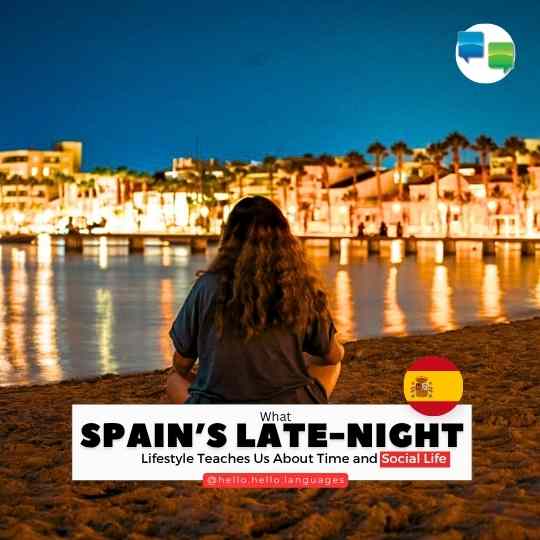
Spain’s evening culture has clear social attractions, but its extended schedule can also create challenges. Late dinners, long working hours, and delayed bedtimes may leave people with less time for sleep and recovery, especially when they must wake early for work or school. The issue has prompted debate within Spain. In 2024, Labour Minister Yolanda Díaz criticised restaurant opening hours that kept employees working late into the night, while supporters argued that vibrant nightlife was an important part of Spanish culture and economic activity. The discussion highlighted a difficult question: how can a country preserve its social traditions without placing excessive demands on workers?
Longer hours do not automatically produce greater productivity. When people spend extended periods at work but have limited control over their schedules, their personal time and well-being may suffer. The challenge is not necessarily to abandon late-night socialising, but to create working arrangements that allow people to enjoy it without sacrificing adequate rest.
What Can Other Cultures Learn From Spain’s Approach to Time?
Spain’s lifestyle offers a useful reminder that the organisation of a day influences how people connect with one another. Making room for shared meals, relaxed conversations, and community life can help relationships remain part of everyday routines. However, these benefits do not require everyone to eat dinner at 10 p.m. or remain awake until midnight. Other cultures can adopt the underlying principle by protecting time for family, friendships, and meaningful breaks while maintaining schedules that support health and productivity.
The most valuable lesson is not that one country’s timetable is superior to another’s. It is that societies should consider whether their daily routines genuinely support the lives people want to lead.
Spain’s late-night lifestyle is more than a travel curiosity. It reflects a complex combination of history, work patterns, dining traditions, and a strong culture of socialising. Its lively evenings demonstrate the value of making time for relationships, while the debate surrounding long working days highlights the importance of rest and personal freedom. Ultimately, a balanced lifestyle is not measured solely by when the day begins or ends. It depends on whether people have enough time to work productively, maintain meaningful relationships, and recover before the next day begins.
Learn Spanish (Hello-Hello)
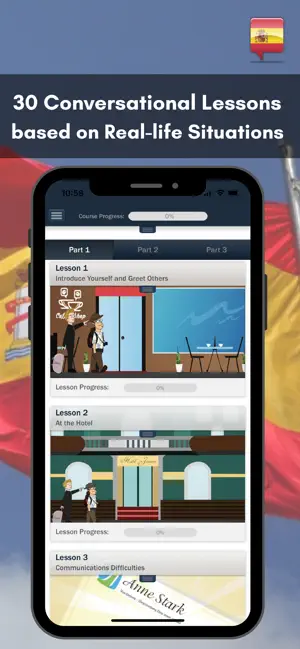
Check out the new version of our Spanish language learning app for iPhone and iPad. Learn Spanish with Hello-Hello offers a completely new and improved version of our app with animated videos, a redesigned interface and additional features! Follow our adorable characters on a fun journey to learn Spanish!
Seriously, this is now, by far, THE BEST language learning app available on iTunes 🙂
- Animated videos and comic strips.
- New games to practice reading and listening skills
- Cleaner and more friendly user interface
- Follow your course progress
- Take notes
- Receive notifications with lesson reminders. The more you practice, the more you learn!
- Receive notifications with new words to build your vocabulary.
Check out the iTunes store Hello-Hello Spanish app here, and the Android Play Store