
Summary
- Deeper Connections: Learning British slang helps travelers connect with locals and navigate daily conversations with ease.
- Cultural Context: Phrases like “fancy a cuppa” are friendly invitations to chat, not just literal offers for tea.
- Historical Humor: Everyday expressions reflect the unique history, understatement, and humor of British culture.
When planning for a foreign trip, there are certain things we never forget: passports and visas, foreign currency, itinerary, important documents, and we ensure that our reservations are in place. However, amid all this preparation, do we ever think of learning a few simple words or phrases in the local language that could be really useful while travelling?
Frankly speaking, learning a few commonly used local expressions can make your journey a lot smoother, more enjoyable, and memorable. Imagine finding your way around a new city with ease, ordering your favourite meal without confusion, asking for help when needed, or simply sharing a laugh with a local over a cup of tea. These small interactions often become some of the most cherished memories of a trip. So, if you want to get along well with the locals, you need to pick up the language on the go.
If your next holiday destination is United Kingdom, then learning a few British phrases and slang terms can be a real-life saver. Contrary to the popular belief, slang is not always rude or inappropriate. It is simply a colourful and informal way people communicate in everyday life.
Hello-Hello, an online English language learning app developer for iOS and Android devices shares a few common British phrases that every traveller in UK must know in this article.
So, when someone asks, “Fancy a cuppa?”, you would not have to worry about what it exactly means
So, before you pack your bags for Britain, here are some popular British phrases and slang expressions that are sure to make your UK trip a lot more fun.
Ms Sarah Gontijo, CEO & Co-Founder, Hello-Hello, who holds a Bachelor’s in Law from Faculdades Milton Campos and a Master’s in Political Management from The George Washington University says” A passport gets you into Great Britain, but understanding its local language gets you into its heart; because from a welcoming ‘cuppa’ to a surprised ‘blimey’, every slang word is a window into the history, humour, and true spirit of its people.”

Some Commonly Used British Phrases
- Fancy a cuppa?
The word ‘cuppa’ is basically a shortened form of two words “cup of”, while “fancy” means “Would you like”. This is one of the most commonly used phrases in UK.
The term gained popularity in the early 20th century and was first recorded in print in 1925 by renowned British author P.G. Wodehouse.
It is important for a traveller to know the real meaning of this fancy phrase. It is not merely about having tea. But it is more of a friendly invitation to sit down, have a chat, and connect with people. Tea is a way of British life. Whether you are visiting someone’s home, a workplace, or a local café, a cuppa often helps break the ice. So, when a Brit asks, “Fancy a cuppa?”, they are welcoming you into a cherished British tradition.
- Alright?
This is one of the most common ways of saying “Hello” or “How are you?” in everyday British conversation.
A traveller should not be taken aback when they are asked by someone, “Alright?”. There is nothing to panic. They are not checking whether you are unwell. They simply want to say ‘Hello’ to you.
“Alright” originated from the older question, “Are you alright?”
Its origin dates back to the Middle English phrase “all right,” which meant satisfactory or well. By the 19th century, the formal question “Are you all right?” had entered everyday speech. During the 20th century, particularly in working-class communities, it evolved into the friendly greeting “Alright?”, becoming a simple way of acknowledging someone rather than enquiring about their health.
- Take the biscuit
Another commonly used phrase that is connected with British humour is “Take the biscuit”.
It is used to describe something that is annoying, ridiculous or unbelievable.
For travellers in UK, knowing this term can help them follow conversations more naturally, especially when locals are complaining in their typically understated way.
The phrase is believed to have originated from old competitions where the winner received a biscuit as a prize.
- Blimey
Yet another quintessential British expression, “Blimey!” is used when something leaves you surprised, impressed, or slightly shocked. It is somewhat similar to “Wow!” or, “Goodness me!”
The phrase originates from the old expression “Gor blimey”, a softened version of “God blind me,” which people used centuries ago to avoid taking the Lord’s name in vain.
As a traveller in the UK, you would find ‘blimey’ in their daily conversation. Whether you’re in a pub, at a bustling market, or while admiring a stunning landmark. The phrase offers a glimpse into British culture and humour.
- Bob’s your uncle
Sounds a bit odd at first, doesn’t it? “Bob’s your uncle” is a cheerful British expression that simply means, “there you go” or “it’s as easy as that.”
Knowledge of this phrase helps travellers understand easily when locals give directions, explain a process, or offer help.
The phrase is believed to have originated during the late 19th Century and is perhaps linked to Prime Minister Robert “Bob” Cecil, whose nephew was given a prestigious government post, giving rise to the idea that success comes easily when “Bob’s your uncle.”
6.Gutted
This phrase expresses extreme disappointment, the feeling of being upset, or heartbroken about something. So, when plans go wrong or expectations are shattered, you feel ‘gutted’.
It is very common for a traveller to hear this phrase when someone misses a train, loses a football match, or receives bad news. As a tourist it becomes much easier when you know these words that are used daily by the locals.
It comes from the word ‘gut’, originally referring to removing internal organs. Over time, it evolved into a colourful British slang term describing the feeling of being emotionally drained by disappointment.
Knowing phrases like this helps travellers connect more easily with locals and experience British culture beyond the guidebooks.

If you’re planning a trip to the United Kingdom, then learning a few commonly used phrases like the ones above will certainly make your stay more comfortable and enjoyable. Whether you really ‘fancy a cuppa’, hear someone exclaim, “Blimey!”, or, find a local saying they are “gutted” after losing a football match, understanding these expressions will help you navigate conversations with ease. After all travelling is not just about visiting places and clicking pictures, it’s also about connecting with people, knowing their history and culture, and the conversations you share along the way.
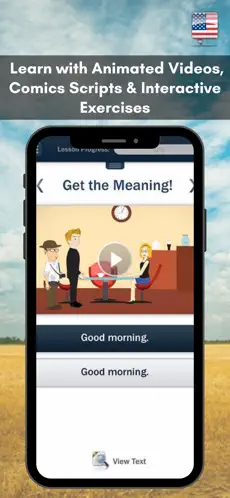
Learn English by Hello-Hello
- Animated videos and comic strips– New games to practice reading and listening skills
- Cleaner and more friendly user interface
- Follow your course progress
- Take notes
- Receive notifications with lesson reminders. The more you practice, the more you learn!
- Receive notifications with new words to build your vocabulary
iTunes Link – https://apps.apple.com/us/app/learn-english-by-hello-hello/id423320493 Android Playstore – https://play.google.com/store/apps/details?id=com.Hello_Hello.English.Main