

Summary
- Respect Local Customs: Simple gestures like removing your shoes and bringing a small gift reflect good manners and cultural awareness.
- Appreciate Russian Hospitality: Accepting food, joining conversations, and thanking your host help create a warm and memorable experience.
- Avoid Common Mistakes: Steering clear of cultural missteps ensures you leave a positive impression and strengthen your connection with your hosts.
Visiting a Russian home is a special experience that goes beyond simply sharing a meal or having a conversation. Hospitality is deeply rooted in Russian culture, and inviting someone into one’s home is often a sign of trust, warmth, and respect. While many customs may seem familiar, there are certain traditions and social expectations that can surprise first-time visitors. Understanding these unwritten rules can help you avoid awkward situations and leave a positive impression on your hosts, shares Hello-Hello, a leading Russian language learning app developer for iOS and Android devices.

Why Do Etiquette Rules Matter When Visiting a Russian Home?
The customs followed in Russian homes are rooted in centuries of tradition, respect, and hospitality. Small gestures—such as bringing a thoughtful gift, removing your shoes, or accepting a cup of tea—are often seen as signs of appreciation for your host. Understanding these cultural expectations not only helps you avoid unintentional mistakes but also allows you to build genuine connections and enjoy a more authentic Russian hospitality experience.
Ms Sarah Gontijo, CEO & Co-Founder, Hello-Hello, who holds a Bachelor’s in Law from Faculdades Milton Campos and a Master’s in Political Management from The George Washington University opines that “Respecting the customs of a Russian home isn’t about following strict rules—it’s about showing gratitude, embracing hospitality, and honoring a culture where every guest is welcomed with warmth and sincerity.”
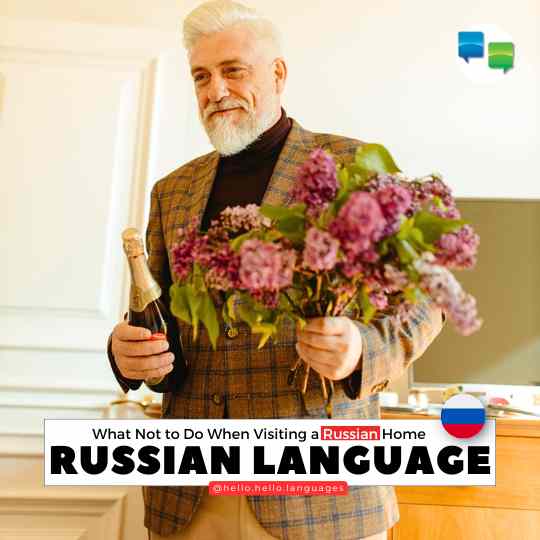
- Don’t Arrive Empty-Handed – Although your host may not expect an expensive gift, arriving empty-handed is generally considered impolite. A box of chocolates, flowers (always an odd number, as even numbers are reserved for funerals), pastries, or a small souvenir from your hometown are thoughtful choices. It’s a simple gesture that shows appreciation for your host’s invitation.
- Don’t Criticise the Food or Home – Even casual remarks about the food, décor, or cleanliness can be taken personally. Russian hosts often invest significant time preparing meals and making guests comfortable. If there’s something you don’t like, it’s usually better to politely avoid it rather than openly criticise it.
- Dress Neatly When Invited – Even for a casual gathering, making an effort with your appearance is considered respectful. You don’t need formal attire, but clean, well-presented clothing shows that you value the invitation and the time your host has spent preparing for your visit.
- Respect Family Traditions – Every family has its own customs, whether it’s making a toast before drinking, sitting together before a journey, or following certain dining rituals. Observe what others are doing and follow your host’s lead. Showing curiosity and respect for their traditions is usually appreciated.
- Avoid Sensitive Political Discussions – Unless your hosts bring up the topic and seem comfortable discussing it, avoid starting conversations about politics, international conflicts, or controversial historical issues. These subjects can quickly become emotional and may distract from an otherwise enjoyable gathering.
- Don’t Forget Basic Table Manners – Wait until the host invites everyone to begin eating. If alcoholic beverages are served, it’s common to make a toast before taking the first sip. Interrupting a toast or drinking before everyone is ready may seem impolite. Good table manners and patience go a long way in showing respect.
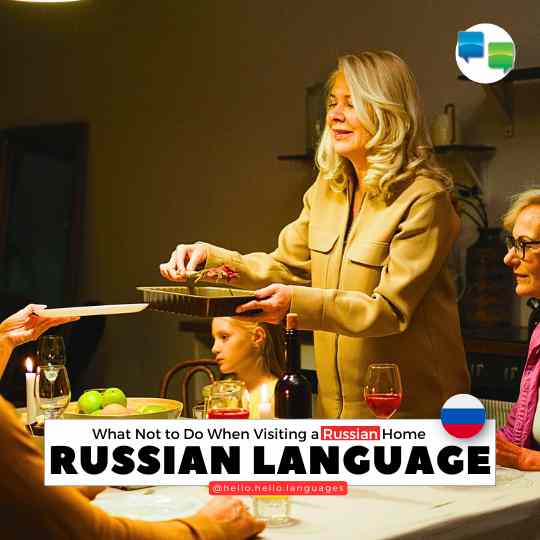
- Avoid Refusing Food Immediately – Russian hospitality is often expressed through generous portions of food. Your host may encourage you to try multiple dishes or even offer second and third servings. Politely declining everything right away can unintentionally suggest that you don’t appreciate their efforts. Even if you’re not very hungry, tasting a little of each dish is usually appreciated.
- Don’t Rush the Meal – Meals in Russian homes are social occasions rather than quick dining experiences. Conversations often continue long after everyone has finished eating. Leaving immediately after the meal may appear rushed or impolite. If possible, stay for tea, dessert, and conversation unless you have already explained that you must leave early.
- Don’t Decline Hospitality Too Strongly – Russian hosts often insist on offering more food, tea, or snacks even after you’ve said you’re full. While you don’t have to accept everything, declining politely and with gratitude is better than repeatedly refusing in a way that seems dismissive. A warm smile and sincere thanks are always appreciated.
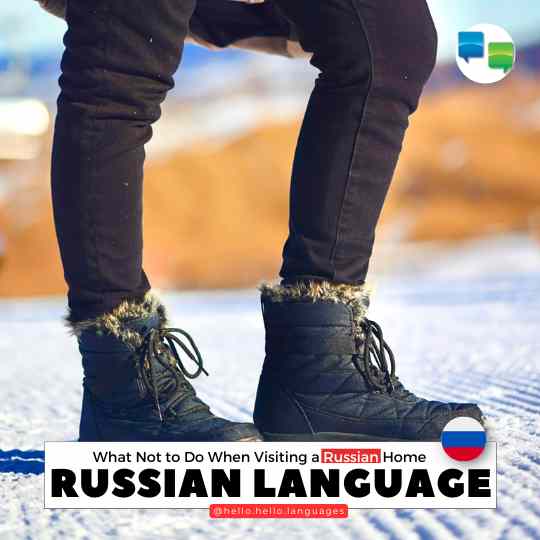
- Never Keep Your Shoes On Indoors – One of the first things you’ll notice when entering a Russian home is the expectation to remove your shoes. Outdoor footwear is considered dirty, especially during snowy or rainy seasons. Most hosts will offer you a pair of slippers, known as tapochki, to wear inside. Keeping your shoes on may be seen as disrespectful or unhygienic.
- Be Careful with Flowers – Flowers are a common gift, but there are traditions attached to them. Avoid giving yellow flowers if possible, as they are sometimes associated with separation or farewell. Most importantly, always present an odd number of flowers, since even-numbered bouquets are traditionally used for memorials and funerals.
- Express Gratitude Before Leaving – Before you leave, thank your host for the meal and hospitality. A genuine compliment about the food or the enjoyable evening is always appreciated. If you become close friends, inviting them to your own home in the future is often seen as a meaningful way to return their kindness.
Russian hospitality is famous for its warmth, generosity, and sincerity. Most hosts understand that international visitors may not know every tradition, so genuine respect and good manners matter far more than perfect etiquette. By keeping these simple cultural expectations in mind, you’ll enjoy a more comfortable visit, build stronger connections, and experience one of the most welcoming aspects of Russian culture.
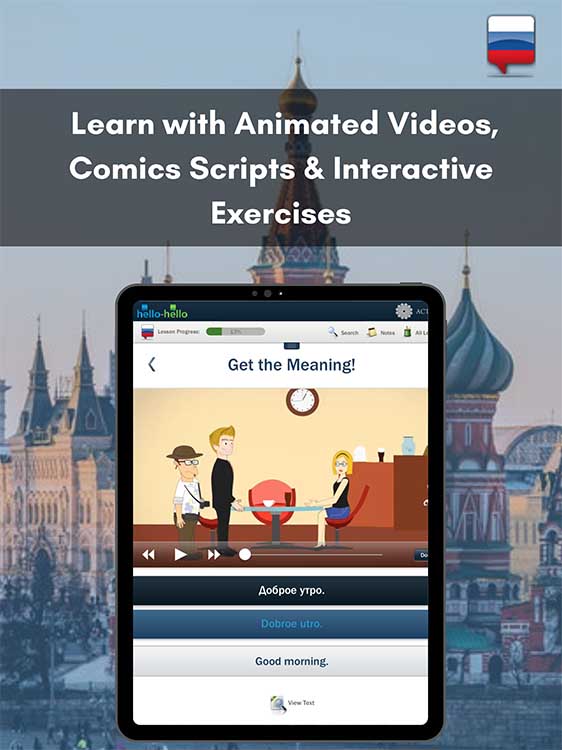
Learn Russian (Hello-Hello)
Learn Russian (Hello-Hello) is a full-fledged language course with 30 LESSONS developed in collaboration with the American Council on the Teaching of Foreign Languages (ACTFL), so you can be assured that these lessons follow an effective research-based methodology. All lessons are conversation-based on realistic dialogues and situations, rather than a collection of out-of-context words and phrases.
– Research-based methodology developed in collaboration with the most prestigious institution for language teachers and professionals: The American Council on the Teaching of Foreign Languages – ACTFL – INNOVATIVE METHODOLOGY: Developed in collaboration with ACTFL
– The American Council on the Teaching of Foreign Languages, which is the largest and most respected association for language teachers and professionals. ACTFL’s guidelines are followed by all major universities in the USA.
– COMMUNICATION SKILLS: Learn to communicate effectively from LESSON 1! Hello-Hello offers 30 conversational lessons based on real-life situations rather then a collection of out-of-context words and phrases. Dialogues are presented and then broken down into sentences, where you can practice pronunciation and writing skills
– VOCABULARY BUILDING: Practice vocabulary with hundreds of fun and interactive Flashcards, plus our innovative Build Your Vocabulary exercise, where you can practice alternate words and phrases from within the dialogues.
iTunes store – Learn Russian (Hello-Hello)
Android Play – Learn Russian language