

Summary
- • Enjoy meals slowly: Portuguese dining is relaxed and focused on conversation and connection.
- • Know local customs: Bread, starters, shared dishes and post-meal coffee may follow different traditions.
- • Be polite and respectful: Check charges, communicate dietary needs and tip according to the service.

Portuguese dining is about much more than food. It is a social experience shaped by tradition, hospitality and the pleasure of spending time around a table. From family lunches to relaxed dinners with friends, meals often involve conversation, shared dishes and a slower pace. However, visitors unfamiliar with Portuguese customs may accidentally misunderstand certain dining habits. Knowing a few basic etiquette rules can help foreigners feel more comfortable and show respect for local culture, shares Hello-Hello, a leading Portuguese language learning app developer for iOS and Android devices, in this blog.

Meals Are Meant to Be Enjoyed Slowly. One common mistake is expecting Portuguese meals to be rushed. In Portugal, dining is often treated as a time to relax and connect with others. Lunch and dinner may last much longer than visitors expect, especially when enjoyed with family or friends. Restaurants may not rush customers through their meals, and it is normal to spend time talking between courses. Visitors should avoid becoming impatient if the meal progresses slowly. The relaxed pace is part of the experience rather than poor service.

Bread and Starters May Appear Before the Meal. In many Portuguese restaurants, bread, olives, cheese or other small starters may be placed on the table before the main meal arrives. Foreign visitors sometimes assume these items are complimentary. However, these couvert items are often charged separately if they are consumed. The best approach is to check the menu or ask the server if there is any doubt. If you do not want them, you can politely decline them rather than assuming they are free.

Coffee Usually Comes After the Meal Coffee plays an important role in Portuguese dining culture. However, ordering coffee before eating or expecting a large coffee similar to an American-style drink may seem unusual in a traditional setting. Many Portuguese people enjoy a small, strong espresso after a meal. It is often treated as the final part of lunch or dinner. Visitors should not be surprised if coffee is served separately after the main dishes have been cleared.

Sharing Food Is Common. Portuguese meals often include dishes that are designed to be shared, particularly when dining with a group. Seafood, grilled meats, salads, rice dishes and traditional appetisers may be placed in the centre of the table. Foreigners may make the mistake of ordering only for themselves without considering the group. While individual meals are perfectly acceptable, sharing can be a natural and enjoyable part of the dining experience. It is also polite to ask before taking the last portion of a shared dish.

Do Not Expect Constant Table Service. In some countries, diners expect servers to check on the table frequently. Portuguese restaurants may offer a more discreet style of service. Staff may give customers space to enjoy their meal without repeatedly interrupting conversations. This does not necessarily mean that the restaurant is inattentive. If you need something, making eye contact or politely calling the server is generally acceptable. Being overly demanding or impatient may be viewed negatively.
Tipping Is Appreciated but Not Always Mandatory. Tipping customs in Portugal can differ from those in countries where large tips are expected. A service charge may or may not be included, and tipping is generally based on satisfaction and personal choice. Visitors should check the bill before adding anything extra. A modest tip is often appreciated for good service, but diners should not feel pressured to leave the same percentage commonly expected elsewhere.
Respect Traditional Food Choices: Portuguese cuisine includes a wide range of traditional dishes, from bacalhau and grilled sardines to soups, stews and regional specialities. Foreigners may sometimes judge unfamiliar foods too quickly or expect every restaurant to offer international alternatives. Showing curiosity and respect for local dishes can make the experience more enjoyable. If you have dietary restrictions or allergies, communicate them clearly and politely before ordering.
Dining Etiquette Reflects Hospitality: Portuguese dining culture values friendliness, conversation and respect. Guests are often encouraged to enjoy the food and the company rather than focus only on speed or formality. Understanding these customs can prevent small misunderstandings and help visitors appreciate the culture behind every meal. The most important rule is simple: be polite, patient and open to the local way of dining.
“Portuguese dining is not just about what is served on the table, but about the time, tradition and togetherness shared around it.” Says, Ms Sarah Gontijo, CEO & Co-Founder, Hello-Hello, who holds a Bachelor’s in Law from Faculdades Milton Campos and a Master’s in Political Management from The George Washington University.
Portuguese food is best enjoyed not as a rushed activity, but as a shared cultural experience filled with flavour, tradition and connection.
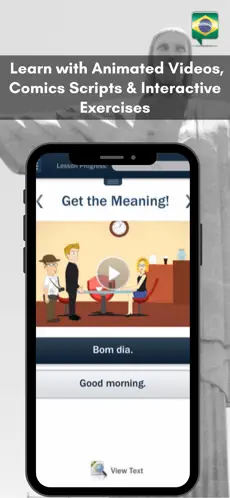
Learn Portuguese (Hello-Hello)
Learn Portuguese Phrases, Words and Conversations with the top-selling language-learning app! Learning Methodology Based on Animation, Cartoon Scripts, Word Games & More. LEARN PORTUGUESE WITH THE # 1 APP FOR LANGUAGE LEARNING ON ITUNES
A completely new and improved version of our app with animated videos, redesigned interface and additional features! Follow our adorable characters on a fun journey to learn Portuguese! Seriously, this is now, by far, THE BEST language learning app available on iTunes 🙂
- Animated videos and comic strips
- New games to practice reading and listening skills
- Cleaner and more friendly user interface
- Follow your course progress
- Take notes
- Receive notifications with lesson reminders. The more you practice, the more you learn!
- Receive notifications with new words to build your vocabulary
Download link – https://apps.apple.com/us/app/learn-portuguese-hello-hello/id426677372
Android Play Store – https://play.google.com/store/apps/details?id=com.PortugueseBasicAndroid&hl