
Direct Answer Summary
- Italian daily life follows distinct rhythms around meals, work, and socialising.
- Dining customs, greetings, and regional differences may surprise first-time visitors.
- Understanding local etiquette helps travellers enjoy a more authentic Italian experience.
Italy is famous for its historic cities, beautiful architecture, world-renowned cuisine, and relaxed approach to enjoying life. However, first-time visitors may discover that everyday Italian habits differ considerably from those in their home countries. From the timing of dinner to the way people greet strangers, these cultural differences can be unexpected.
Understanding these customs before travelling can make the experience smoother, helping visitors appreciate not only Italy’s famous attractions but also the traditions that shape everyday life shares, Hello-Hello, a leading Italian language learning app developer for iOS and Android devices, in this blog.
What Cultural Differences Surprise First-Time Visitors to Italy?
Several aspects of Italian life can surprise travellers, particularly those who expect familiar routines around food, communication, shopping, and daily schedules. These differences are not strict rules followed by everyone, but they reflect customs that remain common in many parts of the country.
“Travel becomes more rewarding when we approach unfamiliar customs with curiosity, respect, and an open mind.” Says Ms Sarah Gontijo, CEO & Co-Founder, Hello-Hello, who holds a Bachelor’s in Law from Faculdades Milton Campos and a Master’s in Political Management from The George Washington University.
Dinner Happens Later Than Expected
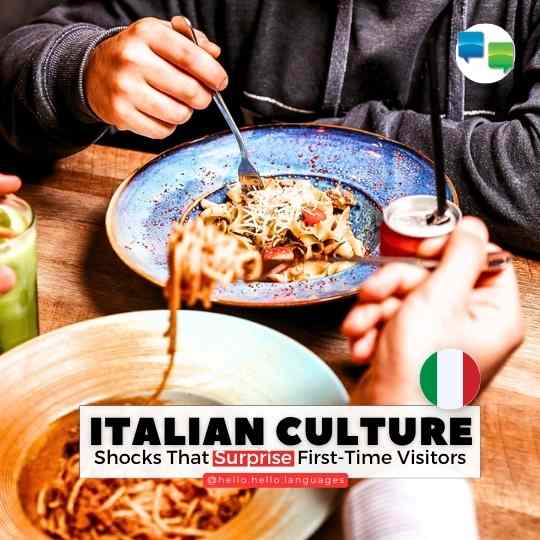
Visitors accustomed to eating dinner early may be surprised by Italian dining schedules. In many places, dinner begins around 7:30 or 8:00 p.m., sometimes later, particularly during warmer months. Restaurants in tourist areas may serve earlier, but local dining habits often follow a later rhythm. Lunch can also be an important part of the day, especially in smaller towns. Rather than treating meals as something to finish quickly, many Italians view them as opportunities to relax and spend time with family or friends.
Coffee Has Its Own Unwritten Rules
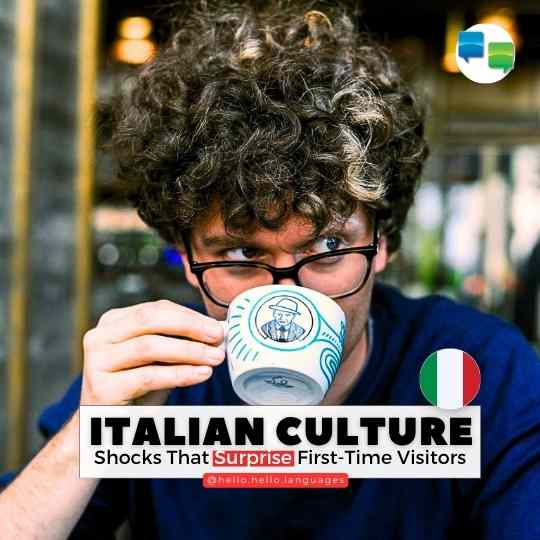
Coffee culture in Italy is about more than ordering a drink. Espresso is a daily ritual, and many locals drink it quickly while standing at the counter. Cappuccino is traditionally associated with breakfast, so ordering one after a large meal may attract a curious glance, although visitors are generally free to order what they prefer. Another surprise is that drinking coffee at a table can cost more than having it at the counter, especially in busy tourist locations. Checking the menu before ordering can prevent unexpected charges.
Greetings Can Feel More Personal
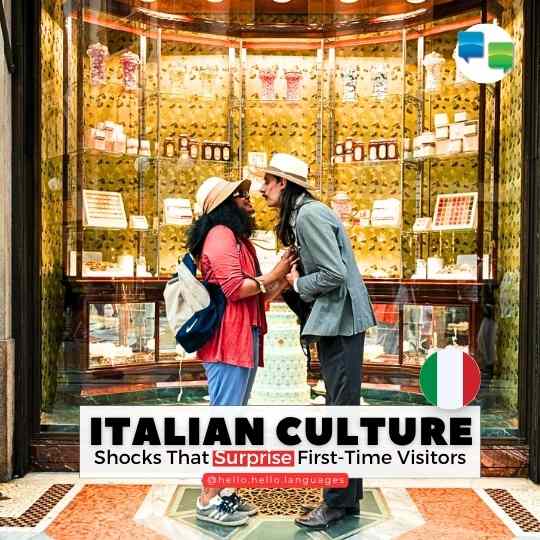
Italian communication can seem expressive to visitors from cultures where greetings are more reserved. Friends and acquaintances may greet each other with a cheek kiss, while handshakes are common in formal introductions. The appropriate greeting depends on the relationship, setting, and region. It is also customary to acknowledge people when entering small shops or local establishments. A simple buongiorno (good morning or good day) or buonasera (good evening) can make interactions warmer and more respectful.
Shops May Close During the Afternoon
In some towns and neighbourhoods, smaller shops close for a few hours in the afternoon before reopening later. This traditional break, often associated with lunch and rest, is less common in large cities and major shopping centres, where opening hours can be more continuous. Visitors who plan every activity around a tightly packed schedule may find this inconvenient. Checking opening hours in advance is particularly useful when visiting local boutiques, family-run businesses, and smaller-town attractions.
Personal Expression Is Part of Everyday Life
Animated conversations, expressive hand gestures, and voice changes can make Italian discussions appear dramatic to outsiders. These gestures often add meaning to speech and help communicate emotions, emphasis, or humour. However, it is important not to assume that every Italian communicates in the same way. Regional traditions, individual personalities, and social settings all influence behaviour.
Regional Identity Matters
Italy is not culturally uniform. Food, dialects, traditions, architecture, and even everyday habits can vary significantly between regions. Northern cities, central Italian towns, and southern communities each have their own local character. A dish prepared one way in Bologna may differ from a similar dish in Naples. Visitors may also encounter local festivals, regional expressions, and strong pride in hometown traditions. Exploring beyond the most famous tourist destinations can reveal this diversity.
Tipping Is Not Always Expected
Travellers from countries where tipping is customary may wonder how much to leave at Italian restaurants. Tipping is generally appreciated but is not always expected at the same level as in places where service workers depend heavily on gratuities. A service charge or coperto (cover charge) may appear on the bill. This is different from a tip and can cover items such as bread or table service, depending on the establishment. Visitors should check the bill rather than assume that every additional charge is a gratuity.
Italy’s cultural surprises are often part of what makes travelling there memorable. Later dinners, distinctive coffee habits, expressive communication, varied regional traditions, and different shopping schedules offer a glimpse into the country’s everyday life. Rather than viewing these differences as inconveniences, visitors can treat them as opportunities to understand local customs. A little preparation, patience, and willingness to adapt can turn a first visit into a richer cultural experience.
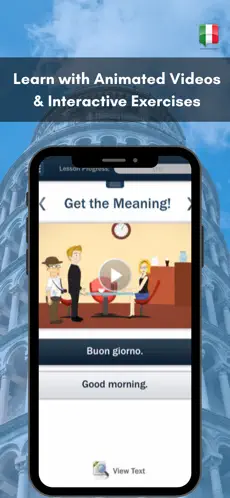
Learn Italian (Hello-Hello)
Learn Italian Phrases, Words, and Conversations with the top-selling language-learning app! Learning Methodology Based on Animation, Cartoon Scripts, Word Games & More. Learn to communicate effectively from LESSON 1! Hello-Hello offers 30 conversational lessons based on real-life situations rather than a collection of out-of-context words and phrases. Dialogues are presented and then broken down into sentences, where you can practice pronunciation and writing skills
The research-based methodology was developed in collaboration with the most prestigious institution for language teachers and professionals: The American Council on the Teaching of Foreign Languages – ACTFL
iTunes Store Link – https://apps.apple.com/us/app/learn-italian-hello-hello/id426680688
Android Play Store – https://play.google.com/store/apps/details?id=com.Hello_Hello.Italian.Main&pli=1