
Summary
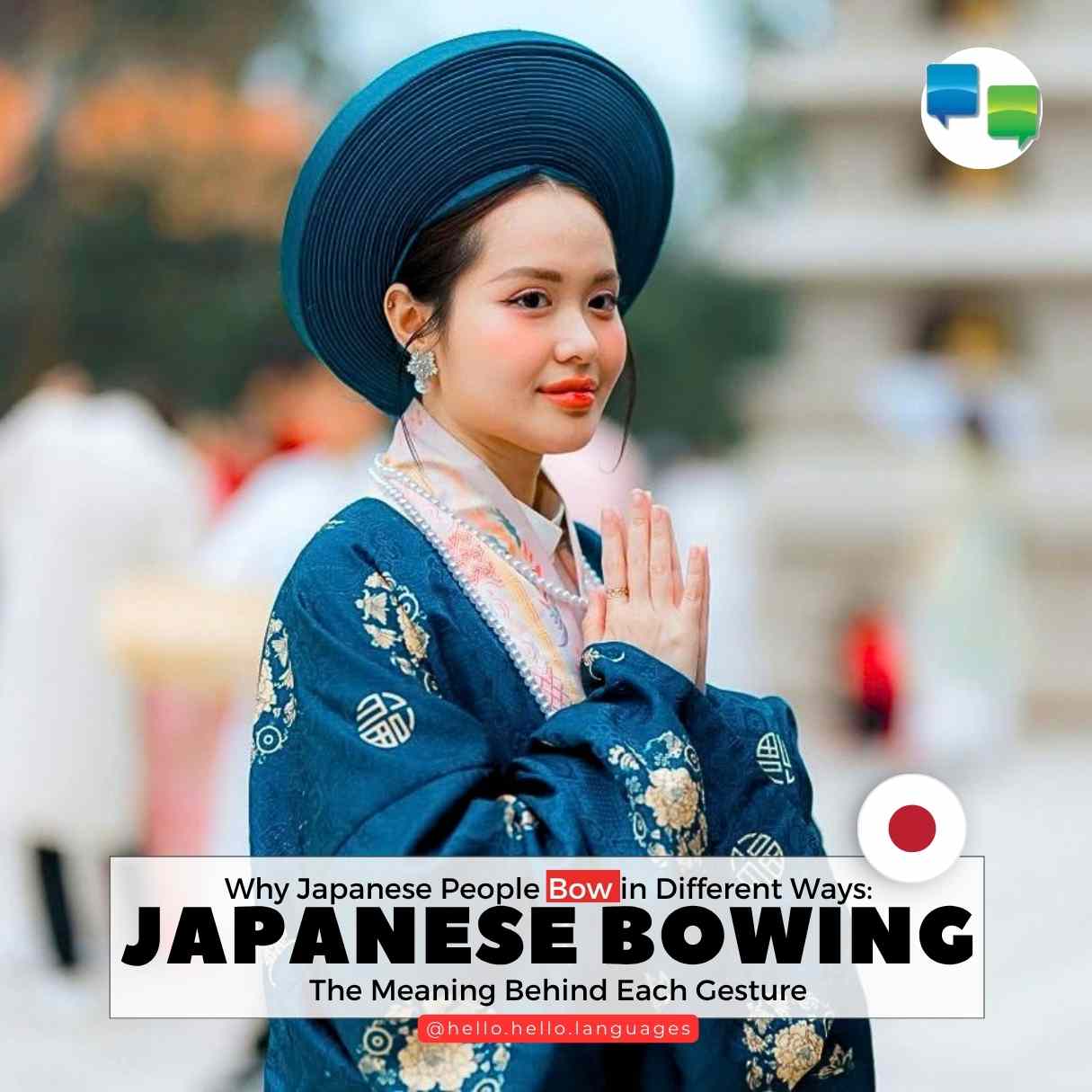
- Japanese bows differ according to formality, respect and purpose..
- A light bow is common in casual situations, while deeper bows express greater seriousness..
- Bowing is used for greetings, gratitude, apologies and professional courtesy.
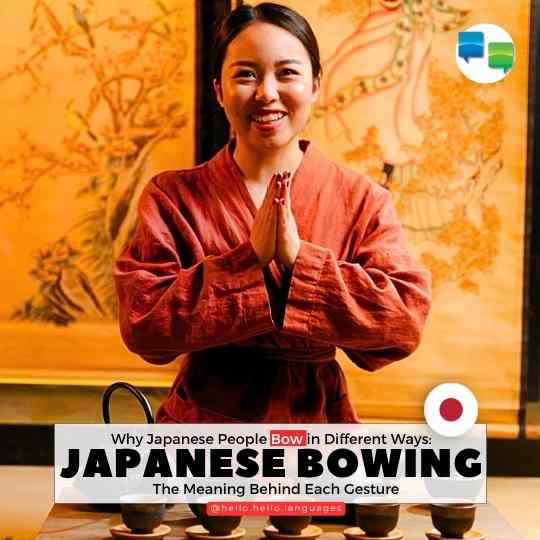
In Japan, bowing is more than a simple greeting. It is a meaningful form of communication used to show respect, gratitude, apology and acknowledgement. While visitors may notice people bowing in everyday situations, the depth and duration of the bow can change depending on the relationship, setting and emotion involved. Understanding the different types of bows can offer a glimpse into Japanese culture and the importance it places on respect and social harmony, shares Hello-Hello, a top Japanese language learning app developer for iOS and Android devices.
What Do Different Bows Mean?
Japanese bows vary according to the level of respect or seriousness being expressed. A quick and gentle bow may be used in a casual situation, while a deeper and longer bow can communicate formal respect or a sincere apology. The angle of the bow, the length of time it is held and the situation in which it is used all contribute to its meaning.
“In Japanese culture, a bow is not just a movement—it is a quiet expression of respect, gratitude and understanding.” Says, Ms Sarah Gontijo, CEO & Co-Founder, Hello-Hello, who holds a Bachelor’s in Law from Faculdades Milton Campos and a Master’s in Political Management from The George Washington University.
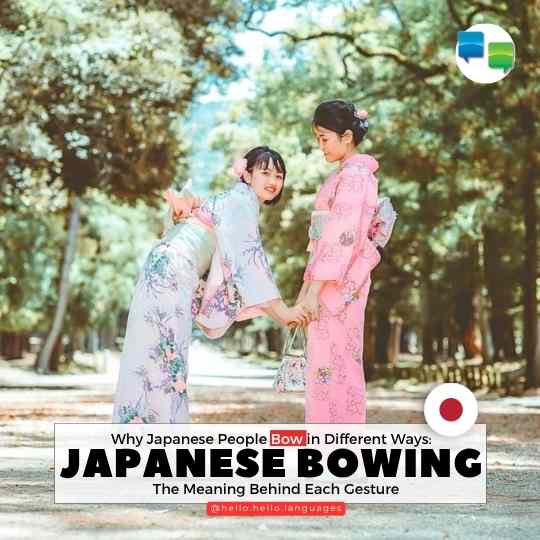
The Informal Bow: Eshaku (会釈)
A light bow, often called an informal bow, is commonly used in everyday interactions. It may involve a small movement of the head or upper body. This type of bow is suitable for greeting someone familiar, acknowledging another person or saying a quick thank you. It is often seen in casual settings such as shops, offices and neighbourhood interactions.
The Respectful Bow: Keirei (敬礼)
A more noticeable bow is used when showing politeness and respect. The upper body bends forward at a moderate angle, making the gesture more formal than a casual nod. People may use this bow when meeting someone for the first time, speaking to a senior person, welcoming a guest or offering thanks in a professional setting.
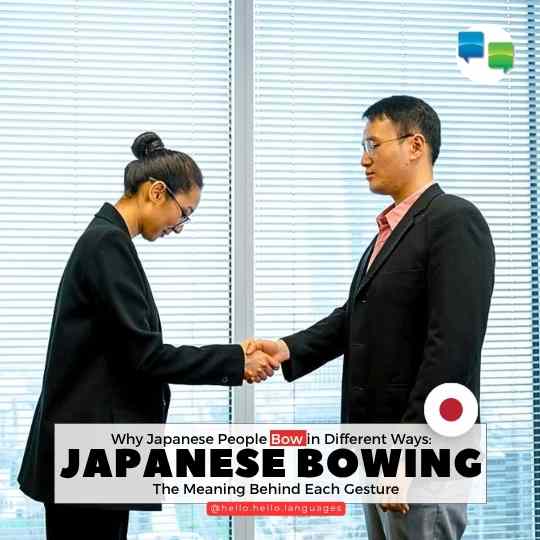
The Formal Bow: Saikeirei (最敬礼)
A deeper bow is used in situations that require a higher level of formality. It may be seen during official introductions, important ceremonies or serious professional interactions. The deeper movement shows that the person is making a deliberate effort to express respect. The gesture is usually performed with a calm posture and controlled movement.
The Apology Bow: Ojigi (お辞儀)
Bowing also plays an important role in apologies. When someone wants to express sincere regret, the bow may be deeper and held for longer than an ordinary greeting. The seriousness of the bow often depends on the situation. A small mistake may require only a brief bow, while a major issue may involve a much deeper gesture. In formal situations, the bow may be accompanied by an apology spoken aloud.
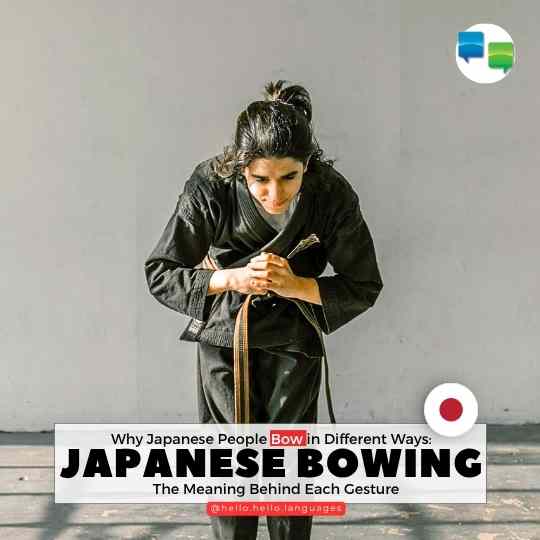
The Gratitude Bow: Kansha no Ojigi (感謝のお辞儀)
A bow can communicate appreciation even when no long explanation is given. People may bow when receiving help, thanking a customer, expressing gratitude to a colleague or acknowledging someone’s kindness. The gesture helps convey that the person values the effort or consideration shown by another individual.
Bowing in Business and Professional Settings: Keirei (敬礼)
Bowing is especially noticeable in Japanese workplaces. Employees may bow when greeting colleagues, welcoming clients, beginning a meeting or seeing someone off. In business situations, the bow is often combined with polite language. The level of formality may depend on the person’s position, the relationship between the individuals and the importance of the interaction.
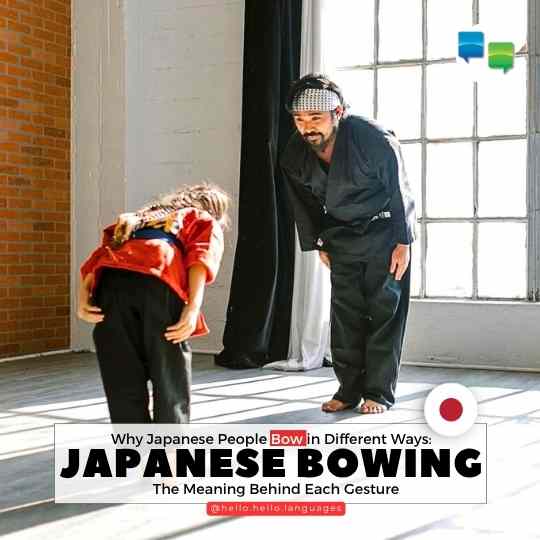
Bowing in Daily Life: Eshaku (会釈)
Bowing is not limited to formal occasions. It can be seen in restaurants, schools, shops, hotels and public spaces. Staff members may bow to customers as a sign of welcome or appreciation. Students may bow to teachers, and people may bow when entering or leaving certain traditional spaces. These everyday gestures reflect the role of courtesy in Japanese social life.
The Importance of Timing and Body Language
A bow is not only about bending forward. Posture, eye contact, distance and timing also matter. In formal situations, people generally maintain a composed expression and avoid making the movement too casual. The gesture should feel natural and appropriate to the situation. Visitors do not need to copy every detail perfectly, but a polite bow can be a respectful way to respond when interacting with Japanese people.
A Cultural Gesture with Many Meanings
Japanese bowing may look simple, but it communicates a wide range of emotions and social messages. A small bow, such as Eshaku, can show acknowledgement, while a deeper bow, such as Keirei or Saikeirei, may express respect, gratitude or apology. By understanding the names and meanings of these gestures, visitors can appreciate how Japanese culture uses body language to communicate politeness and consideration.
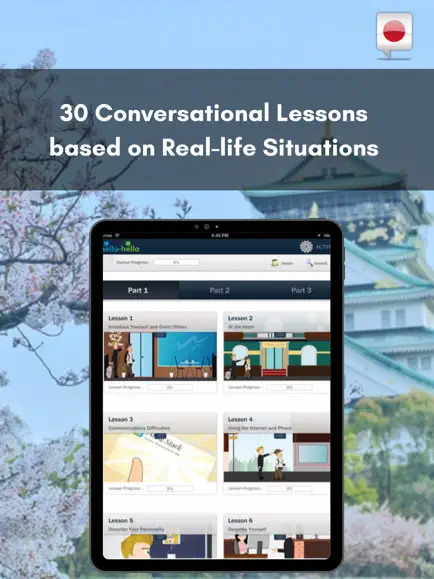
Learn Japanese (Hello-Hello)
Hello-Hello, which is the leading mobile language learning application developer, offers users a unique opportunity to learn the Japanese language with iOS and Android Apps. Learn Japanese by Hello-Hello iPhone app, which is developed in collaboration with The American Council on the Teaching of Foreign Languages (ACTFL), offers 30 conversational lessons based on real-life situations rather than a collection of out-of-context words and phrases. Dialogues are presented and then broken down into sentences where you can practice pronunciation and writing skills. The key features of Hello-Hello’s Japanese app that make it THE BEST language learning app available on iTunes are –
- Animated videos and comic strips– New games to practice reading and listening skills
- Cleaner and more friendly user interface
- Follow your course progress
- Take notes
- Receive notifications with lesson reminders. The more you practice, the more you learn!
- Receive notifications with new words to build your vocabulary.
Android Play – Learn Japanese Hello-Hello, iTunes Store – Learn Japanese (Hello-Hello)