
Chinese Cuisine: Direct Answer Summary
- Explore how geography, climate, and agriculture shaped China’s eight major culinary traditions.
- Understand the distinctive flavours, ingredients, and cooking techniques of each regional cuisine.
- Discover how history and local cultures created China’s diverse food heritage.
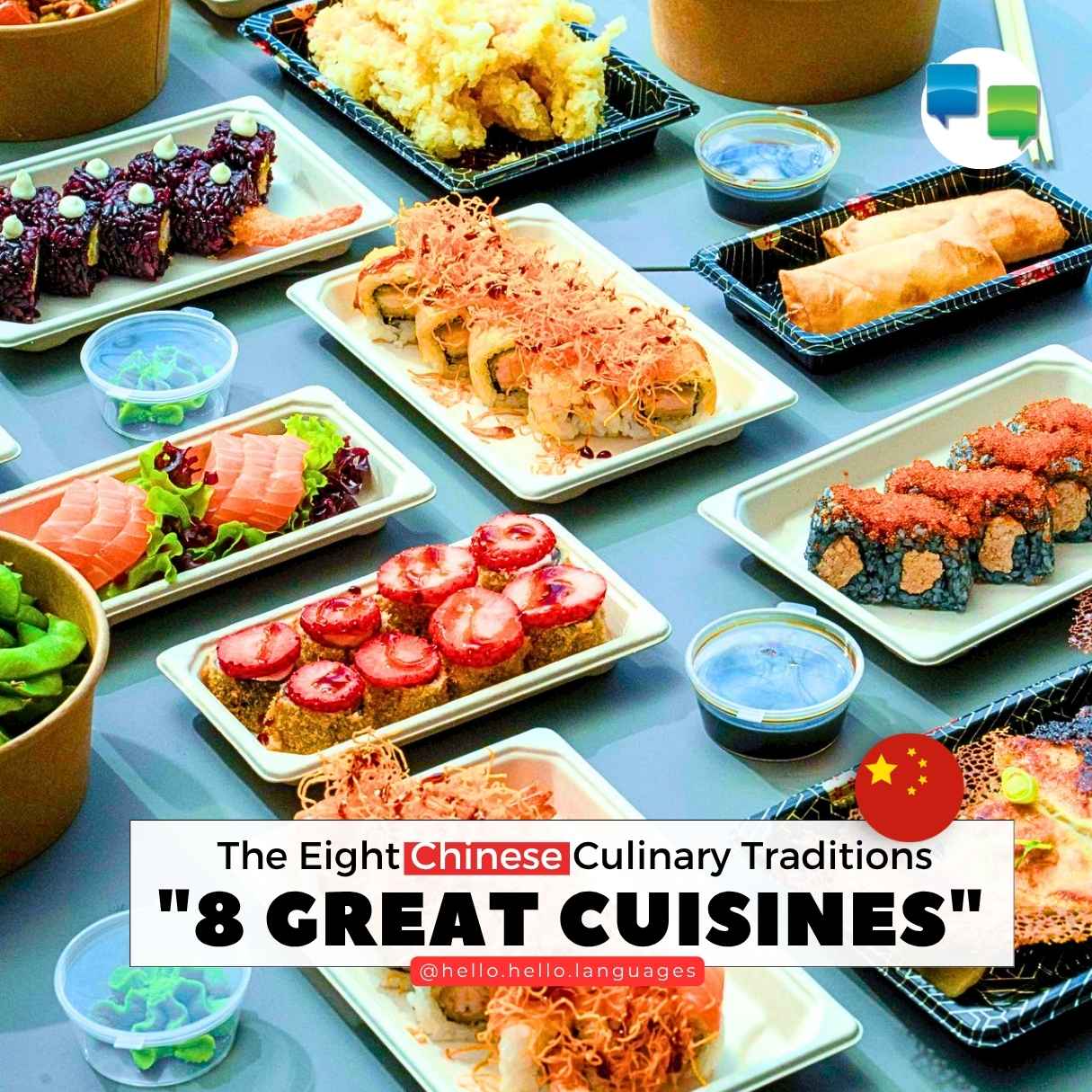
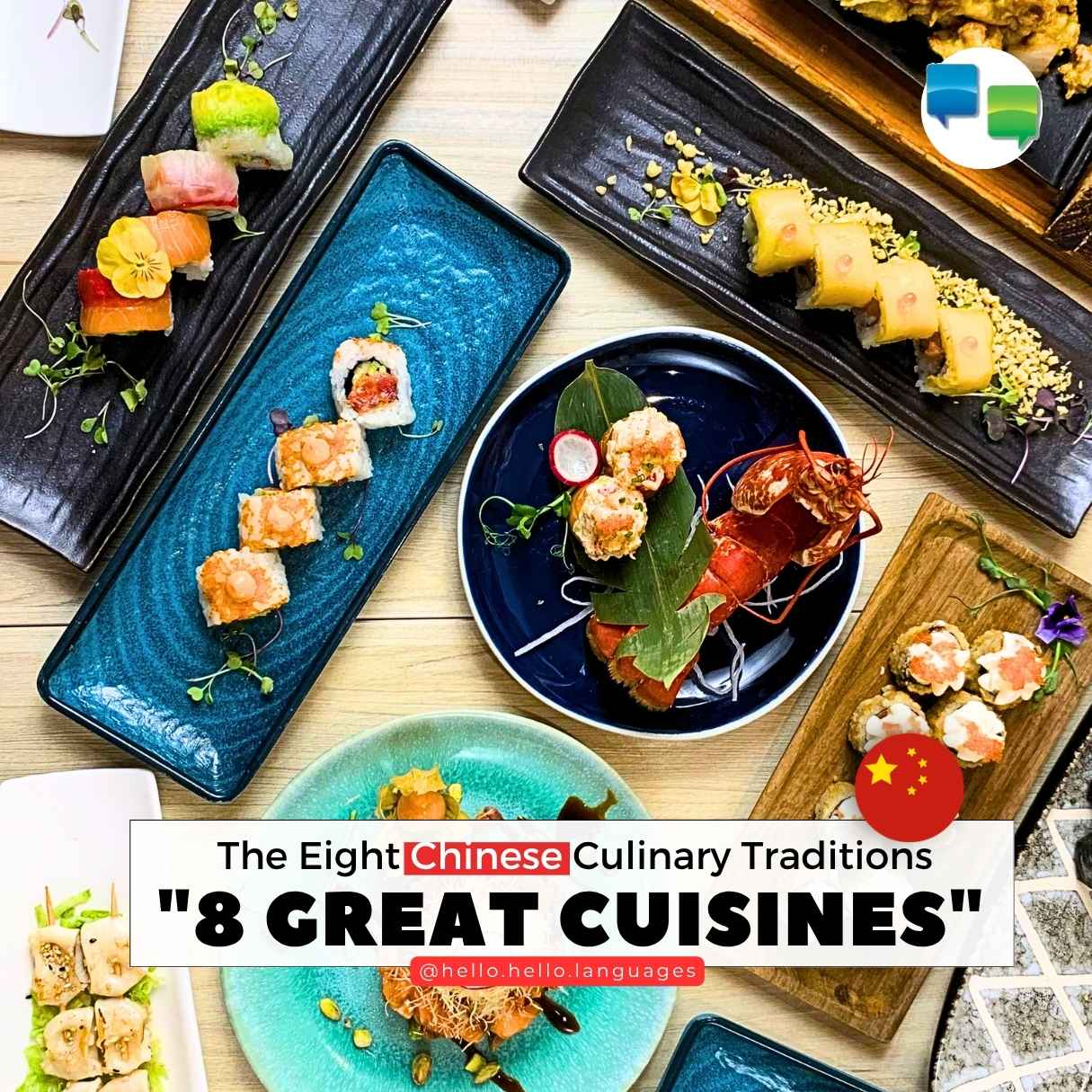
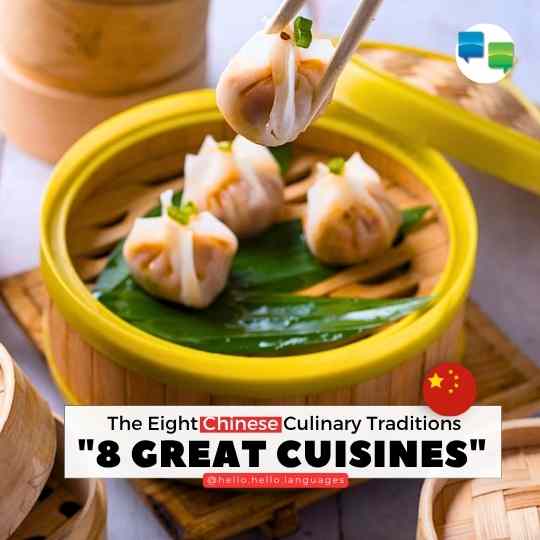
Chinese cuisine is celebrated worldwide for its extraordinary variety of flavours, ingredients, and cooking techniques. From the fiery dishes of Sichuan to the delicate seafood preparations of Guangdong, every region offers a distinctive culinary identity. This diversity is often represented by the Eight Great Culinary Traditions of China, a classification that highlights eight influential regional cuisines. Their development reflects centuries of migration, trade, agricultural practices, local customs, and experimentation. Understanding these traditions reveals why Chinese food cannot be defined by a single flavour or cooking style. Shares Hello-Hello, a leading Chinese language learning app developer for iOS and Android devices.

Why Does China Have Eight Major Culinary Traditions?
China’s vast territory encompasses mountains, river valleys, fertile plains, coastal regions, and varied climatic conditions. These differences influence which ingredients grow locally, which foods are readily available, and how people traditionally preserve and prepare their meals. Over centuries, regional communities developed their own cooking techniques and flavour preferences. Trade routes, imperial courts, migration, and cultural exchanges further influenced these practices. The eight traditions emerged as a widely recognised way of describing major regional culinary styles. They are not the only cuisines in China, but they provide a useful introduction to the country’s extensive food culture.
“Chinese cuisine is a reflection of regional identity, where local ingredients, inherited techniques, and centuries of cultural exchange come together at the table.” Says, Ms Sarah Gontijo, CEO & Co-Founder, Hello-Hello, who holds a Bachelor’s in Law from Faculdades Milton Campos and a Master’s in Political Management from The George Washington University.
- Sichuan Cuisine: Bold and Spicy Flavours
Sichuan cuisine, originating in southwestern China, is famous for its bold flavours and distinctive use of Sichuan peppercorns and chillies. Its signature málà sensation combines chilli heat with the tingling, numbing effect of Sichuan pepper. Dishes such as mapo tofu and kung pao chicken demonstrate the cuisine’s balance of heat, savouriness, sweetness, and aromatic ingredients. Fermented bean pastes, garlic, ginger, and pickled ingredients also contribute to its depth.
- Cantonese Cuisine: Freshness and Subtlety
Cantonese cuisine, associated with Guangdong and the Pearl River Delta, emphasises fresh ingredients and carefully controlled cooking. Steaming, stir-frying, roasting, and braising help preserve the natural flavours of seafood, vegetables, and meat. Dim sum, roast duck, and steamed fish are among its best-known preparations. Its international popularity has also been influenced by migration from southern China, particularly to Hong Kong and overseas Chinese communities.
- Jiangsu Cuisine: Refinement and Texture
Jiangsu cuisine is known for refined presentation, carefully balanced flavours, and attention to texture. It developed in eastern China, where rivers, lakes, and fertile agricultural land provide abundant fish, freshwater ingredients, rice, and vegetables. Chefs often use techniques such as braising, stewing, and slow cooking to develop flavour without overwhelming the main ingredients. The cuisine is frequently associated with elegant dishes served in traditional banquet settings.
- Zhejiang Cuisine: Fresh and Seasonal Ingredients
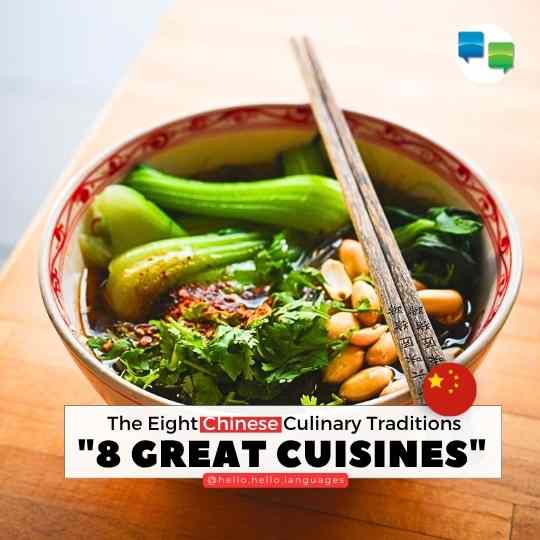
Zhejiang cuisine, from eastern China’s coastal and lake regions, places considerable emphasis on freshness, seasonality, and natural flavour. Seafood, freshwater fish, bamboo shoots, and locally grown vegetables feature prominently. Cooking techniques are often relatively light, including steaming, quick stir-frying, and braising. The result is a style that frequently highlights the original taste and texture of its ingredients rather than relying on intense spice.
- Fujian Cuisine: Seafood and Complex Broths
Fujian cuisine developed along China’s southeastern coast, where access to seafood and mountain-grown ingredients shaped its culinary traditions. It is particularly known for soups, broths, seafood, and the careful use of ingredients such as mushrooms and bamboo shoots. Some dishes combine multiple ingredients to create layered flavours, while red fermented rice and other regional seasonings contribute distinctive colour and aroma.
- Hunan Cuisine: Intense Heat and Aromatic Ingredients
Hunan cuisine, originating in south-central China, is famous for its generous use of chillies, garlic, and other aromatic ingredients. It often features a direct, robust heat that differs from Sichuan cuisine’s characteristic numbing sensation. Smoked and cured foods, fermented ingredients, and stir-fried preparations also play important roles. The region’s agricultural traditions and climate helped shape a cuisine that makes extensive use of fresh and preserved produce.
- Anhui Cuisine: Mountain Ingredients and Slow Cooking
Anhui cuisine developed in eastern China’s inland and mountainous areas. Its traditional ingredients include wild herbs, mushrooms, bamboo shoots, freshwater fish, and other foods associated with local landscapes. Braising, stewing, and simmering are important techniques, allowing ingredients to develop rich flavours and tender textures. The cuisine reflects a practical approach to cooking with locally available resources and seasonal produce.
- Shandong Cuisine: Savoury Flavours and Seafood
Shandong cuisine, from northern China’s coastal province, is known for its savoury flavours, seafood preparations, soups, and precise cooking techniques. Its chefs traditionally place considerable emphasis on knife skills, heat control, and the preparation of stocks. Ingredients such as seafood, wheat-based foods, and locally available vegetables reflect the region’s coastal geography and northern agricultural traditions. China’s eight major culinary traditions developed through the interaction of geography, agriculture, history, trade, and local culture. Each region adapted its cooking methods and flavour preferences to available ingredients and inherited customs. Together, these cuisines demonstrate the remarkable diversity of Chinese food, from delicate seasonal preparations to bold, spice-rich dishes. They also explain why exploring Chinese cuisine means discovering several distinct culinary worlds rather than one uniform national style.

Learn Chinese (Hello-Hello)
Check out the new version of our Chinese language learning app for iPhone and iPad. Learn Chinese with Hello-Hello offers a completely new and improved version of our app with animated videos, a redesigned interface and additional features! Follow our adorable characters on a fun journey to learn Chinese!
Seriously, this is now, by far, THE BEST language learning app available on iTunes 🙂
- Animated videos and comic strips.
- New games to practice reading and listening skills
- Cleaner and more friendly user interface
- Follow your course progress
- Take notes
- Receive notifications with lesson reminders. The more you practice, the more you learn!
- Receive notifications with new words to build your vocabulary
Check out the iTunes store Hello-Hello Chinese app here, and the Android Play Store