
Summary
- Learn basic etiquette such as removing shoes indoors, queueing patiently, and speaking quietly in public.
- Respect local customs involving chopsticks, temples, shrines, and payment practices.
- Showing consideration for others helps create a more enjoyable and authentic travel experience.
Japan is known for its rich cultural heritage, warm hospitality, and deep respect for traditions. While the country welcomes millions of visitors every year, its social customs can be quite different from those in other parts of the world.
Many etiquette mistakes made by tourists are completely unintentional, but understanding local customs can help you show respect, avoid awkward situations, and enjoy a smoother travel experience. A little cultural awareness goes a long way in making your visit more enjoyable for both you and the people you meet. Shares Hello-Hello, a top Japanese language learning app developer for iOS and Android devices.
What Are the Most Common Etiquette Mistakes Tourists Make in Japan?
Many visitors unknowingly break social norms because everyday customs in Japan differ from those in many other countries. Simple actions such as speaking loudly on public transport, wearing shoes indoors, or using chopsticks incorrectly may be considered impolite. Learning a few basic etiquette rules before your trip can help you blend in and demonstrate respect for Japanese culture.
Ms Sarah Gontijo, CEO & Co-Founder, Hello-Hello, who holds a Bachelor’s in Law from Faculdades Milton Campos and a Master’s in Political Management from The George Washington University says “The best way to experience Japan isn’t just by seeing its landmarks—it’s by respecting the customs that make its culture unique.”
Speaking Loudly in Public Places
Japan values peace and consideration for others, especially in public spaces. Talking loudly on trains, buses, or in quiet restaurants is generally discouraged. Many commuters use public transport to rest, read, or work, so keeping conversations quiet is considered respectful.
Forgetting to Remove Shoes Indoors
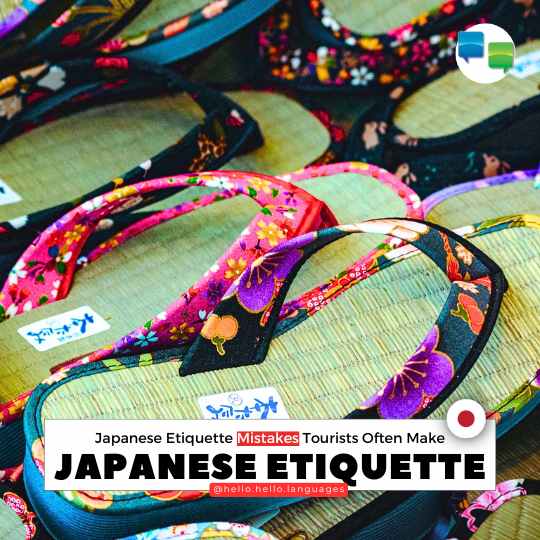
Removing shoes before entering homes, traditional accommodations, temples, and some restaurants is an important custom in Japan. Indoor slippers are often provided, and separate slippers may even be available for bathrooms. Paying attention to signs or observing what others do can help you avoid this common mistake.
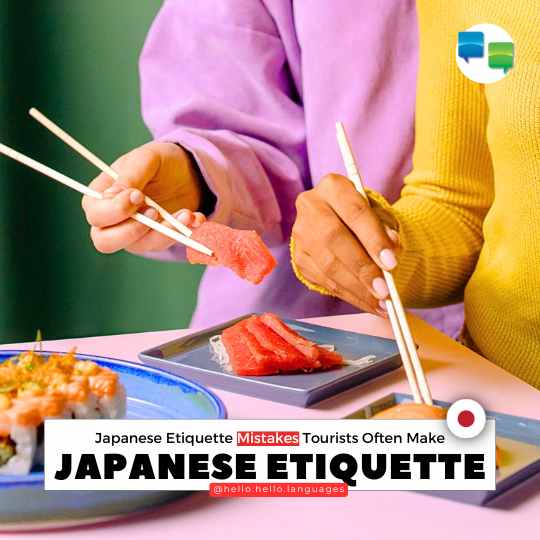
Misusing Chopsticks
Chopstick etiquette is taken seriously in Japanese culture. Sticking chopsticks upright into a bowl of rice resembles a funeral ritual and should be avoided. Passing food directly from one pair of chopsticks to another is also considered inappropriate for the same reason. Instead, use the serving utensils provided or place food on a shared plate when appropriate.
Learn Japanese with Hello-Hello iPhone iPad android app
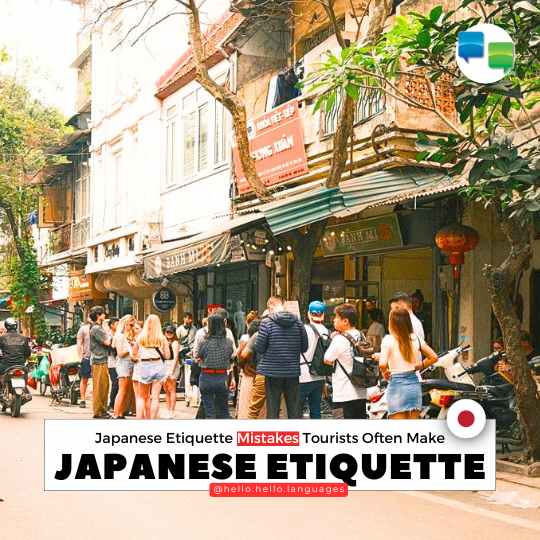
Ignoring Queueing Etiquette
Orderly queues are a part of daily life in Japan. Whether waiting for a train, boarding an elevator, or purchasing food, people generally line up patiently and wait their turn. Cutting in line or pushing ahead is viewed as disrespectful and inconsiderate.
Eating While Walking in Busy Areas
Although it is becoming more common in certain tourist locations, eating while walking is generally discouraged in many parts of Japan. People usually finish their food near the place where they bought it or eat in designated dining areas before continuing their journey.
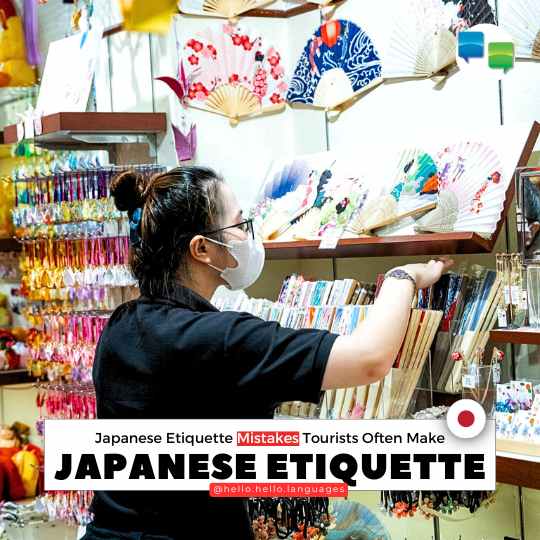
Mishandling Cash and Payment
When paying in shops or restaurants, money is often placed in a small tray at the counter rather than handed directly to the cashier. Likewise, the cashier usually returns change using the same tray. Following this custom helps make transactions smoother and more respectful.
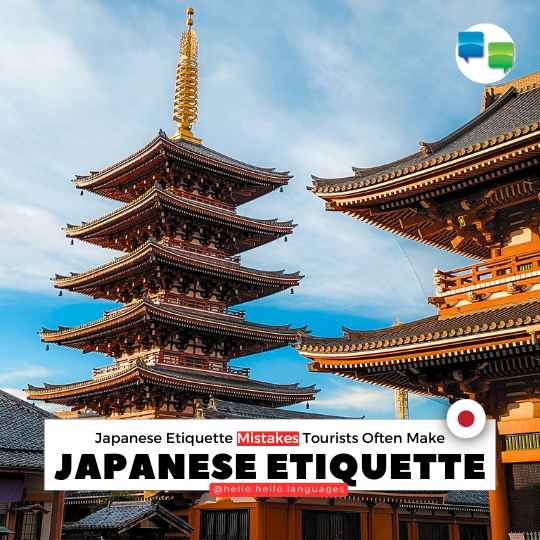
Neglecting Proper Behaviour at Temples and Shrines
Temples and shrines are places of worship and should be treated with respect. Visitors should speak quietly, avoid blocking pathways, follow photography rules, and observe any posted instructions. Taking a moment to appreciate the peaceful atmosphere enhances the experience for everyone.
Respecting Personal Space and Cleanliness
Japanese society places a strong emphasis on cleanliness and consideration for others. Public litter bins may be limited, so carrying a small bag for your rubbish until you find a suitable disposal point is common practice. Respecting personal space and keeping public areas clean reflect good manners throughout your visit.
Understanding Japanese etiquette is not about memorising countless rules but about showing respect for local customs and the people around you. Small gestures such as speaking softly, following queueing rules, removing your shoes when required, and being mindful of cultural traditions can leave a positive impression. By embracing these customs, you can enjoy a more authentic and rewarding experience while exploring Japan.
Learn Japanese (Hello-Hello)
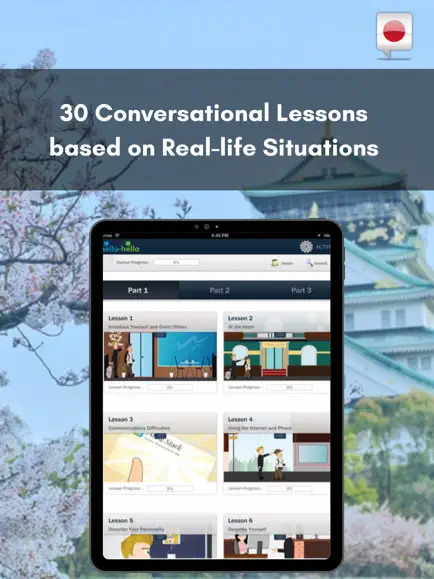
Hello-Hello, which is the leading mobile language learning application developer, offers users a unique opportunity to learn the Japanese language with iOS and Android Apps. Learn Japanese by Hello-Hello iPhone app, which is developed in collaboration with The American Council on the Teaching of Foreign Languages (ACTFL), offers 30 conversational lessons based on real-life situations rather than a collection of out-of-context words and phrases. Dialogues are presented and then broken down into sentences where you can practice pronunciation and writing skills. The key features of Hello-Hello’s Japanese app that make it THE BEST language learning app available on iTunes are –
- Animated videos and comic strips– New games to practice reading and listening skills
- Cleaner and more friendly user interface
- Follow your course progress
- Take notes
- Receive notifications with lesson reminders. The more you practice, the more you learn!
- Receive notifications with new words to build your vocabulary.
Android Play – Learn Japanese Hello-Hello, iTunes Store – Learn Japanese (Hello-Hello)