
Summary
- Learn essential Japanese restaurant words and phrases before travelling.
- Understand menus, order food confidently, and communicate with staff.
- Enjoy a smoother and more authentic dining experience in Japan.
Japan is a dream destination for food lovers. Whether you want to enjoy fresh sushi in Tokyo, slurp ramen in Osaka, or experience a traditional kaiseki meal in Kyoto, dining out is an essential part of any trip. While many tourist-friendly restaurants provide English menus, countless local eateries still operate primarily in Japanese. Learning a few restaurant-related words and phrases can help you order confidently, understand menus, and enjoy a more authentic dining experience, shares Hello-Hello, a top Japanese language learning app developer for iOS and Android devices.
What Japanese Restaurant Words Should Every Traveller Know?
Walking into a Japanese restaurant without knowing the language can feel overwhelming. From reading menu items to asking for the bill, even basic vocabulary can make your dining experience smoother. Fortunately, you don’t need to be fluent in Japanese. A small collection of commonly used restaurant terms is enough to help you communicate effectively and show respect for local culture.
Ms Sarah Gontijo, CEO & Co-Founder, Hello-Hello, who holds a Bachelor’s in Law from Faculdades Milton Campos and a Master’s in Political Management from The George Washington University says, “Learning Japanese restaurant vocabulary is more than memorizing words—it’s about ordering with confidence, understanding local customs, and experiencing Japan’s food culture the way locals do.”

Understanding Restaurant Greetings
One of the first phrases you will hear when entering a restaurant is “Irasshaimase,” which means “Welcome.” Restaurant staff use this greeting to acknowledge customers as they enter. Unlike in some countries, a response is not required, although a smile or nod is appreciated. When speaking to staff, “Sumimasen” is one of the most useful words to remember. It means “Excuse me” and can be used to call a server, ask a question, or politely get someone’s attention.
Essential Menu Vocabulary
Japanese menus often contain terms that describe ingredients, cooking styles, or meal combinations rather than detailed descriptions. Knowing common menu vocabulary can help you identify dishes quickly. The word “Osusume” means “Recommendation” and often highlights the restaurant’s most popular dishes. “Teishoku” refers to a set meal that usually includes rice, soup, and side dishes. You may also see “Nomimono,” which means beverages or drinks.
Common Words for Ordering Food
Ordering in Japan can be surprisingly simple. If you see something you want, you can point to it and say “Kore o kudasai,” meaning “I would like this one.” You may also hear restaurant staff ask questions about portion sizes, drink choices, or side dishes. Understanding a few key food terms can make ordering much easier.
Japanese Restaurant Vocabulary List
| Japanese Word | Pronunciation | Meaning | Where It’s Used |
| いらっしゃいませ | Irasshaimase | Welcome | Greeting customers at the entrance |
| すみません | Sumimasen | Excuse Me | Calling a server or asking for help |
| メニュー | Menyuu | Menu | Asking for or reading the menu |
| おすすめ | Osusume | Recommendation | Popular dishes section |
| 注文 | Chuumon | Order | Placing food orders |
| 予約 | Yoyaku | Reservation | Booking a table |
| 満席 | Manseki | Fully Booked | Sign at busy restaurants |
| 空席 | Kuuseki | Available Seat | Seating information |
| 定食 | Teishoku | Set Meal | Traditional meal combinations |
| 飲み物 | Nomimono | Drinks | Beverage menus |
| 水 | Mizu | Water | Ordering water |
| お茶 | Ocha | Tea | Ordering tea |
| ご飯 | Gohan | Rice | Menu item or side dish |
| 肉 | Niku | Meat | Ingredient listings |
| 牛肉 | Gyuuniku | Beef | Menu descriptions |
| 豚肉 | Butaniku | Pork | Ingredient listings |
| 鶏肉 | Toriniku | Chicken | Menu descriptions |
| 魚 | Sakana | Fish | Seafood dishes |
| 野菜 | Yasai | Vegetables | Vegetarian dishes |
| 寿司 | Sushi | Sushi | Sushi restaurants |
| 刺身 | Sashimi | Raw Fish Slices | Seafood restaurants |
| 天ぷら | Tempura | Deep-Fried Seafood or Vegetables | Traditional restaurants |
| ラーメン | Raamen | Ramen | Noodle shops |
| うどん | Udon | Thick Wheat Noodles | Noodle restaurants |
| そば | Soba | Buckwheat Noodles | Traditional eateries |
| 箸 | Hashi | Chopsticks | Dining utensils |
| スプーン | Supuun | Spoon | Requesting cutlery |
| フォーク | Fooku | Fork | Western-style restaurants |
| ナイフ | Naifu | Knife | Western-style restaurants |
| デザート | Dezaato | Dessert | End of meal |
| 会計 | Kaikei | Bill/Check | Paying for food |
| 現金 | Genkin | Cash | Payment methods |
| クレジットカード | Kurejitto Kaado | Credit Card | Payment methods |
| ありがとうございました | Arigatou Gozaimashita | Thank You Very Much | Staff farewell |
| ごちそうさまでした | Gochisousama Deshita | Thank You for the Meal | Said after eating |
Useful Phrases Every Traveller Should Learn
Besides individual vocabulary, a few simple phrases can make communication much easier. “Kore o kudasai” means “I would like this one” and is useful when pointing to menu items. “Okaikei onegaishimasu” means “The bill, please” and can be used when you’re ready to pay. Before leaving, many locals say “Gochisousama deshita,” a phrase used to thank the chef and staff for the meal.
Paying and Leaving the Restaurant
Unlike some countries where the bill is brought directly to the table, many Japanese restaurants have a cashier near the entrance. After receiving your check, take it to the counter and pay before leaving. Cash is widely accepted, although credit cards are becoming more common in larger cities.
Before exiting, saying “Arigatou Gozaimashita” or “Gochisousama Deshita” is a polite way to express appreciation for the food and service.
Learning Japanese restaurant vocabulary before your trip can make dining far less intimidating and far more enjoyable. From understanding menus and ordering food to paying the bill and thanking staff, these words and phrases will help you navigate restaurants with confidence. Even knowing a few basic expressions can create a more memorable and authentic experience while exploring Japan’s world-famous food culture.
Learn Japanese (Hello-Hello)
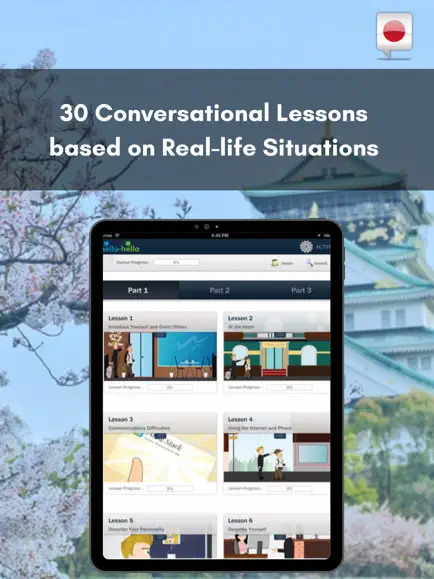
Hello-Hello, which is the leading mobile language learning application developer, offers users a unique opportunity to learn the Japanese language with iOS and Android Apps. Learn Japanese by Hello-Hello iPhone app, which is developed in collaboration with The American Council on the Teaching of Foreign Languages (ACTFL), offers 30 conversational lessons based on real-life situations rather than a collection of out-of-context words and phrases. Dialogues are presented and then broken down into sentences where you can practice pronunciation and writing skills. The key features of Hello-Hello’s Japanese app that make it THE BEST language learning app available on iTunes are –
- Animated videos and comic strips– New games to practice reading and listening skills
- Cleaner and more friendly user interface
- Follow your course progress
- Take notes
- Receive notifications with lesson reminders. The more you practice, the more you learn!
- Receive notifications with new words to build your vocabulary.
Android Play – Learn Japanese Hello-Hello, iTunes Store – Learn Japanese (Hello-Hello)