

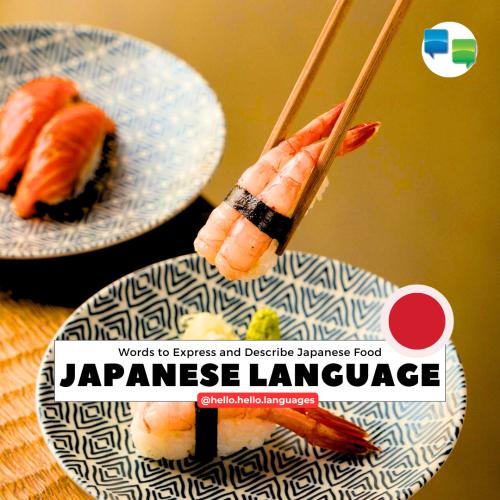
Japan is not just a destination for cultural wonders and breathtaking landscapes — it’s also a paradise for food lovers. Japanese cuisine, or washoku, is a delicate balance of taste, texture, and presentation. Whether you’re exploring sushi counters in Tokyo, ramen stalls in Osaka, or street food in Kyoto, knowing how to express and describe Japanese food can enhance your travel experience and help you truly appreciate every bite, as shared by Hello-Hello, a leading Japanese language learning app developer for iOS and Android devices.
The Art of Simplicity and Balance
Japanese cuisine values harmony between ingredients, colours, and flavours. Dishes often emphasise freshness, seasonality, and presentation rather than heavy seasoning. Words like “subtle,” “delicate,” and “refined” best capture the essence of Japanese cooking. For instance, a bowl of miso soup may seem simple but contains layers of umami — a savoury depth that defines much of Japan’s culinary identity.
Key Descriptive Words for Taste
When tasting Japanese food, it helps to know how to express the unique flavors that make each dish memorable:
- Umami (うま味) – The “fifth taste,” meaning savory richness. Found in soy sauce, miso, seaweed, and bonito flakes.
- Amami (甘味) – Sweetness, as in Japanese desserts like mochi or dorayaki.
- Shio-kara (塩辛い) – Salty flavor, often used for pickled items like tsukemono.
- Karamai (辛い) – Spicy, though Japanese cuisine is generally mild compared to other Asian dishes.
- Suppai (酸っぱい) – Sour, used for foods like sunomono (vinegared salads).
- Nigami (苦味) – Bitterness, often present in green tea or vegetables like goya (bitter melon).
These words are not just vocabulary — they reflect the Japanese appreciation for balance, where no single flavor overpowers another.

Describing Texture
Texture is another important part of Japanese food culture. Travellers often notice how the Japanese language has specific words for describing how food feels in the mouth:
- Mochi-mochi (もちもち) – Chewy and soft, like rice cakes.
- Saku-saku (サクサク) – Crisp or crunchy, describing tempura or fried snacks.
- Toro-toro (トロトロ) – Meltingly soft, used for fatty tuna (toro) or soft tofu.
- Shiko-shiko (シコシコ) – Firm and bouncy, ideal for perfectly cooked noodles.
Understanding these expressions can help you appreciate not just the flavor but the full sensory experience of eating Japanese food.

Presentation and Aesthetics
Japanese dishes are designed to please the eyes as much as the palate. You might describe them as “artful,” “elegant,” or “minimalistic.” Meals are often served in small portions on beautifully arranged plates, celebrating the philosophy that eating should engage all senses. To truly enjoy Japan’s culinary world, go beyond simply tasting — observe, describe, and savor. Notice the texture of freshly made sushi, the aroma of miso broth, and the balance of colors in a bento box. When you can describe Japanese food using words that capture its subtlety and grace, you begin to experience not just a meal, but a centuries-old cultural art form. In Japan, every bite tells a story — all you need are the right words to express it.
Learn Japanese (Hello-Hello)
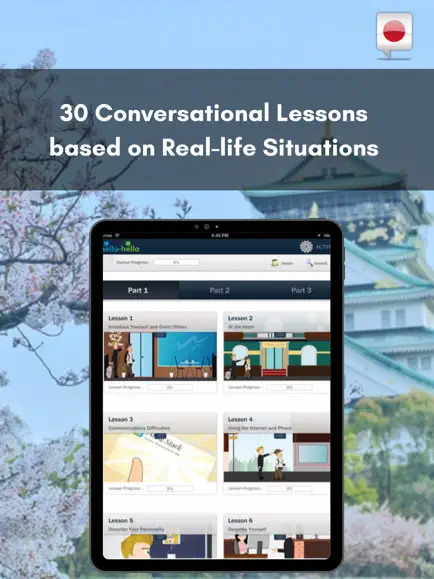
Hello-Hello, which is the leading mobile language learning application developer, offers users a unique opportunity to learn the Japanese language with iOS and Android Apps. Learn Japanese by Hello-Hello iPhone app, which is developed in collaboration with The American Council on the Teaching of Foreign Languages (ACTFL), offers 30 conversational lessons based on real-life situations rather than a collection of out-of-context words and phrases. Dialogues are presented and then broken down into sentence by sentence where you can practice pronunciation and writing skills. The key features of Hello-Hello’s Japanese app that make it THE BEST language learning app available on iTunes are –
- Animated videos and comic strips– New games to practice reading and listening skills
- Cleaner and more friendly user interface
- Follow your course progress
- Take notes
- Receive notifications with lesson reminders. The more you practice, the more you learn!
- Receive notifications with new words to build your vocabulary.
Android Play – Learn Japanese Hello-Hello, iTunes Store – Learn Japanese (Hello-Hello)