

The Chinese Lunar New Year, also known as the Spring Festival, is one of the most important and widely celebrated festivals in the world. Observed not only in China but across many Asian countries and global Chinese communities, it marks the beginning of a new year based on the lunar calendar. More than just a date change, the festival is deeply rooted in centuries-old traditions, symbolism, and cultural beliefs. From vibrant celebrations and family reunions to fascinating customs and myths, the Chinese Lunar New Year is filled with interesting facts that make it unique and meaningful, as shared by Hello-Hello, a leading Chinese language learning app developer for iOS and Android devices, in this blog.
-
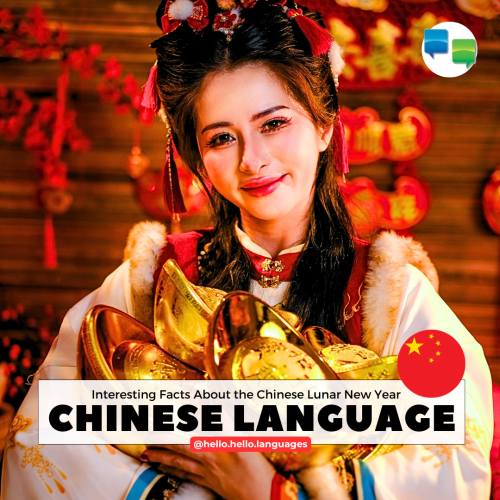
The Date Changes Every Year
Unlike the Gregorian calendar, the Chinese Lunar New Year does not fall on the same date annually. It usually occurs between January 21 and February 20, depending on the lunar cycle. The festival begins on the new moon and lasts for 15 days, ending with the Lantern Festival on the full moon. This shifting date often surprises people unfamiliar with lunar calendars.
-
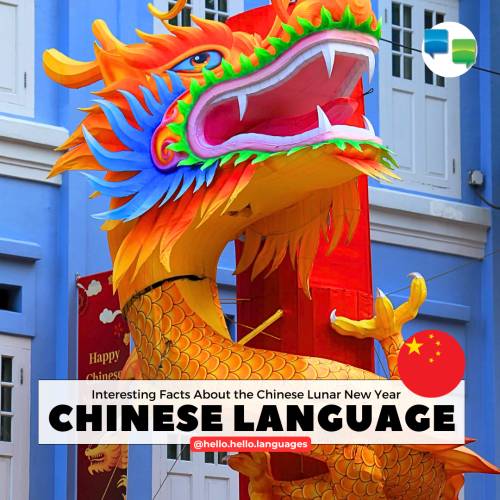
Each Year Is Represented by an Animal
One of the most fascinating aspects of the Chinese Lunar New Year is the Chinese zodiac. There are 12 zodiac animals, including the Rat, Ox, Tiger, Rabbit, Dragon, Snake, Horse, Goat, Monkey, Rooster, Dog, and Pig. Each year is associated with one animal, believed to influence the personality traits, fortune, and destiny of people born in that year. The cycle repeats every 12 years, making zodiac signs a popular topic during celebrations.
-
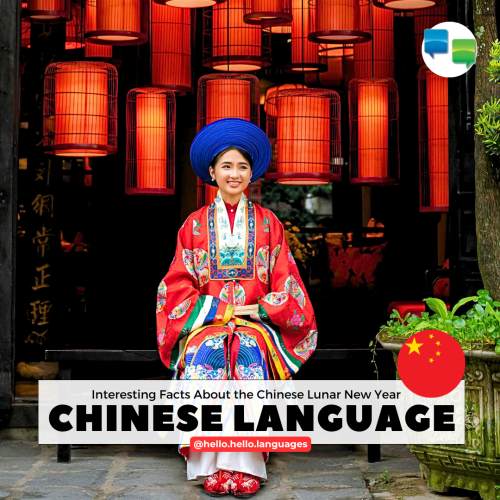
Red Is the Dominant Colour
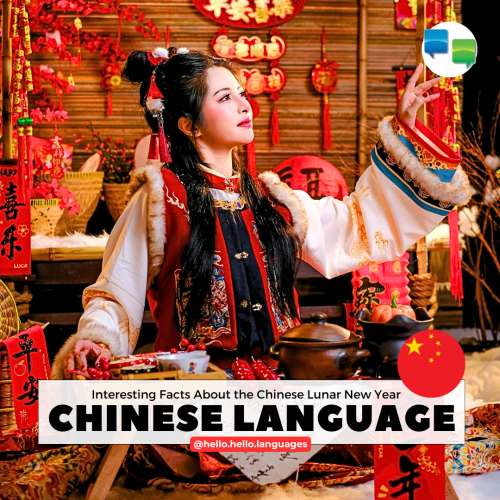
Red plays a central role during the Chinese Lunar New Year as it symbolises luck, happiness, prosperity, and protection from evil spirits. Homes, streets, and shops are decorated with red lanterns, banners, and couplets. People also prefer wearing red clothes during the festival, believing it brings good fortune for the year ahead.
-
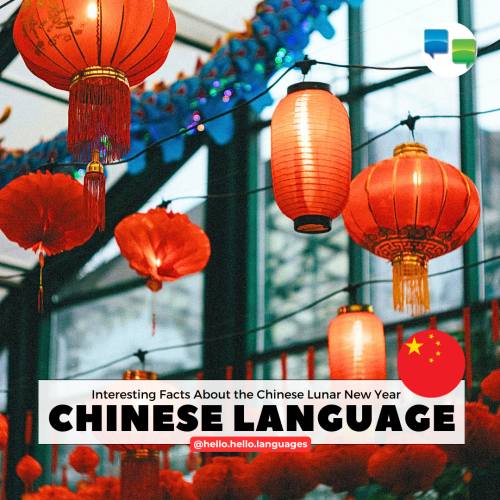
Fireworks Have a Mythical Origin
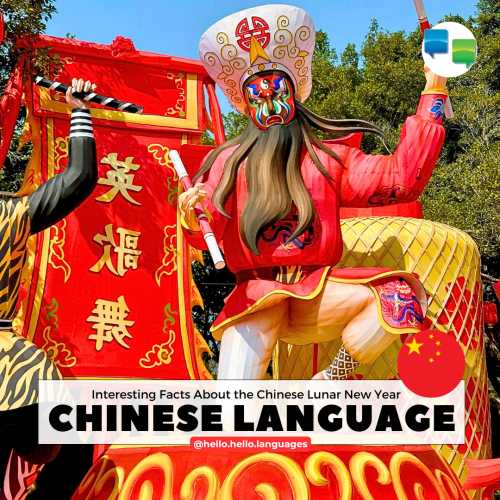
The tradition of lighting firecrackers and fireworks originates from an ancient legend about a mythical beast called Nian. According to folklore, Nian would emerge at the start of the new year to terrorise villages. It was discovered that the beast feared loud noises, bright lights, and the colour red. Fireworks were used to scare it away, a practice that continues today as a symbol of driving away bad luck and welcoming positivity.
-
Family Reunions Are the Heart of the Festival
The Chinese Lunar New Year is centered around family togetherness. The New Year’s Eve dinner is considered the most important meal of the year, where family members gather regardless of distance. Many people travel long distances to be with their loved ones, making it one of the largest annual human migrations globally.
-
Food Has Symbolic Meanings
Every dish prepared during the festival carries symbolic significance. Dumplings resemble ancient Chinese coins and represent wealth. Fish symbolises abundance and prosperity, as the Chinese word for fish sounds similar to “surplus.” Long noodles signify longevity, while sticky rice cakes represent growth and progress. Eating these foods is believed to bring luck and success in the coming year.
-
Red Envelopes Are Given as Blessings
Red envelopes, known as “hongbao,” are traditionally filled with money and given to children and younger family members. The money inside symbolises good luck and protection rather than its monetary value. The envelopes are always red, reinforcing the belief in attracting fortune and warding off negativity.
-
Cleaning Before the New Year Is Important
Before the New Year begins, families thoroughly clean their homes to sweep away bad luck and negative energy from the previous year. However, cleaning on New Year’s Day is avoided, as it is believed to wash away good luck that has just arrived.
The Chinese Lunar New Year is much more than a festive celebration. It is a rich blend of history, symbolism, family values, and cultural wisdom passed down through generations. From zodiac animals and symbolic foods to meaningful traditions and legends, each aspect of the festival reflects hope, renewal, and positivity. These fascinating facts not only highlight the depth of the celebration but also explain why the Chinese Lunar New Year continues to be cherished and celebrated around the world.

Learn Chinese (Hello-Hello)
Check out the new version of our Chinese language learning app for iPhone and iPad. Learn Chinese with Hello-Hello offers a completely new and improved version of our app with animated videos, a redesigned interface and additional features! Follow our adorable characters on a fun journey to learn Chinese!
Seriously, this is now, by far, THE BEST language learning app available on iTunes 🙂
- Animated videos and comic strips.
- New games to practice reading and listening skills
- Cleaner and more friendly user interface
- Follow your course progress
- Take notes
- Receive notifications with lesson reminders. The more you practice, the more you learn!
- Receive notifications with new words to build your vocabulary
Check out the iTunes store Hello-Hello Chinese app here, and the Android Play Store