
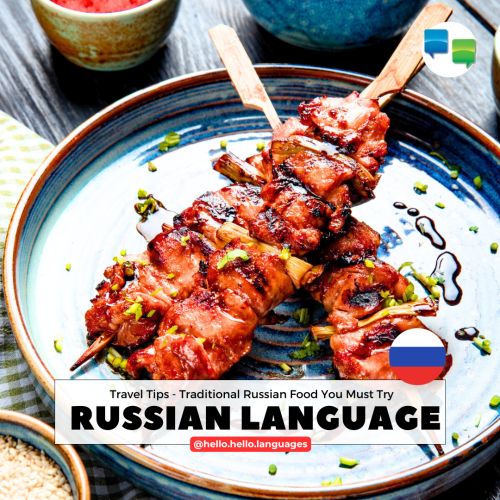
Travelling to Russia offers much more than historic landmarks and winter scenery. The country has a deeply rooted food culture shaped by climate, geography, and tradition. Because of long winters, meals are usually warm, filling, and designed to provide long-lasting energy.
Many travellers assume the cuisine is heavily meat-based, but there are also several traditional dishes suitable for vegetarians. Local cooking relies heavily on vegetables like potatoes, cabbage, beetroot, mushrooms, and grains, making it possible to enjoy authentic food even without meat, shares Hello-Hello, a leading Russian language learning app developer for iOS and Android devices.
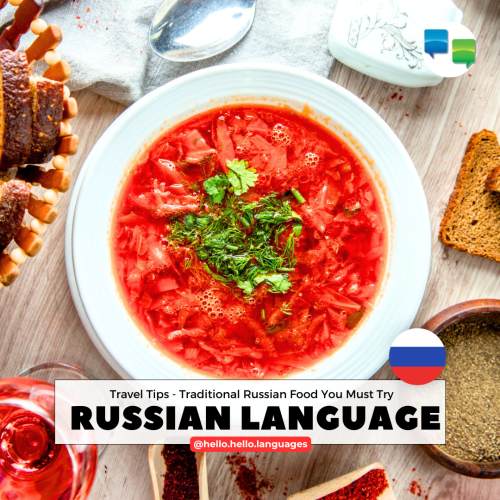
Borscht (Beetroot Soup)
Borscht is one of the most famous traditional dishes. While some versions include meat, many restaurants and homes prepare vegetarian versions using beetroot, cabbage, potatoes, carrots, and onions. It is typically served hot with sour cream, which adds richness and balances the earthy flavor of beetroot. This soup is especially popular during colder months and is often served with dark bread. Vegetarian versions are widely accepted and still considered traditional.
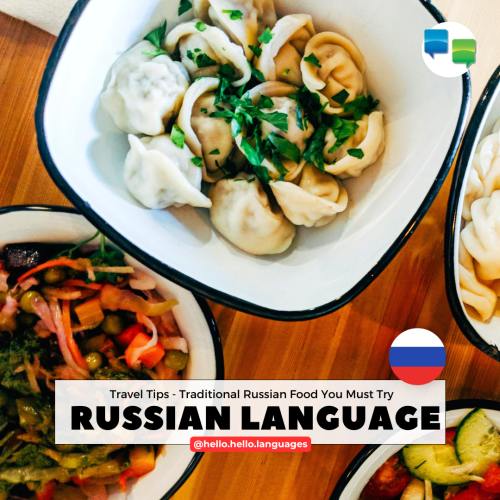
Pelmeni (Dumplings)
Traditional pelmeni usually contain meat, but vegetarian dumplings are becoming increasingly available, especially in larger cities. Some places offer fillings made with mushrooms, potatoes, or cheese. These dumplings are boiled and served with butter or sour cream. The dough is thin, and the filling is usually well seasoned, making them simple yet satisfying.
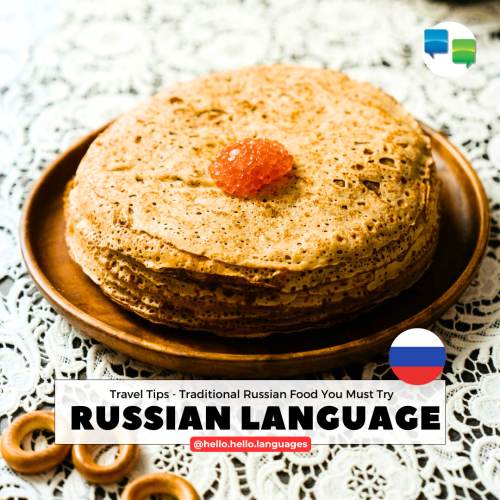
Blini (Russian Pancakes)
Blini are thin pancakes that are naturally vegetarian unless served with meat or fish toppings. They can be eaten with sweet or savoury fillings. Sweet versions include honey, jam, or condensed milk, while vegetarian savoury options include sour cream, mushrooms, or cheese. Blini are very common in cafes and street food stalls, making them an easy and safe choice for vegetarian travellers.
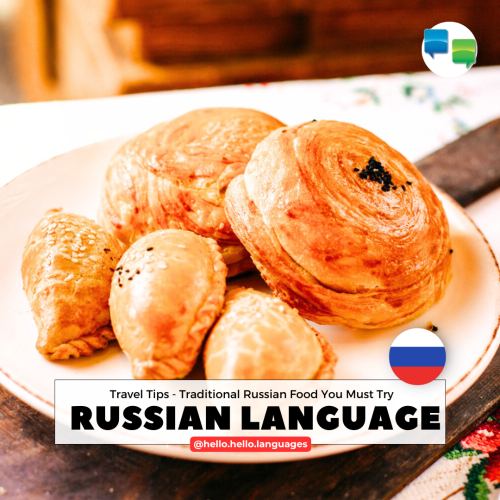
Pirozhki (Stuffed Buns)
Pirozhki are small baked or fried buns filled with different ingredients. While meat fillings are common, vegetarian options like potato, cabbage, mushroom, and egg are widely available. They are often sold in bakeries and local markets. These are perfect for quick meals while sightseeing because they are filling and affordable.
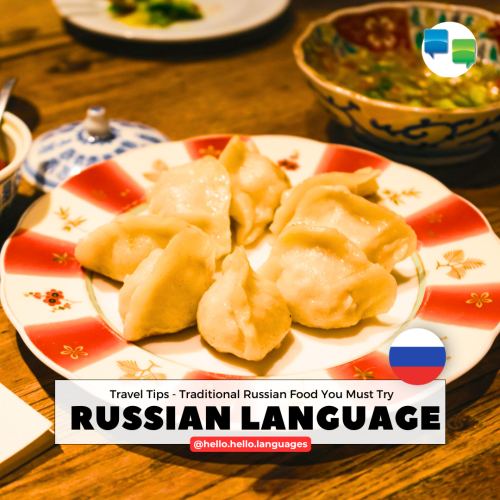
Vareniki (Vegetarian Dumplings)
Vareniki are especially popular among vegetarian travelers. These dumplings are typically filled with mashed potatoes, cheese, cabbage, or cherries for sweet versions. They are usually boiled and served with butter or sour cream. The texture is soft and comforting, making them a staple comfort food.
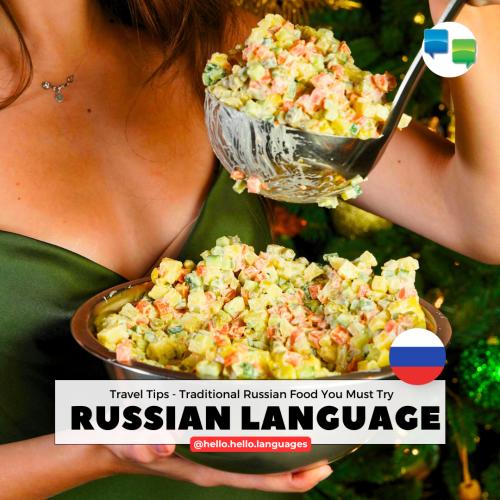
Olivier Salad (Vegetarian Version)
Olivier salad is a popular traditional salad usually made with vegetables, potatoes, peas, and mayonnaise. While some versions include meat, vegetarian versions are very common and easy to find. It is often served during celebrations but is also available in many restaurants year-round.
Tips for Vegetarian Travelers
Vegetarian travel is generally manageable if you communicate clearly while ordering. Many traditional dishes are vegetable-based or can be prepared without meat. Bakeries are especially good places to find vegetarian food. Local markets are also excellent for fresh bread, cheese, pickled vegetables, and salads. Learning a few food-related local words or using translation apps can help when ordering.
Food Culture Experience
Dining culture often focuses on relaxed meals rather than quick eating. Many traditional recipes are based on home-style cooking methods passed down through generations. Seasonal eating is also common, so menus may change depending on available produce. Exploring traditional cuisine is one of the best ways to understand local culture. From hearty soups and dumplings to baked buns and pancakes, there are plenty of options for both meat-eaters and vegetarians. With a little planning, vegetarian travelers can still enjoy authentic and traditional food experiences while exploring the country.

Learn Russian (Hello-Hello)
Learn Russian (Hello-Hello) is a full-fledged language course with 30 LESSONS developed in collaboration with the American Council on the Teaching of Foreign Languages (ACTFL), so you can be assured that these lessons follow an effective research-based methodology. All lessons are conversation-based on realistic dialogues and situations, rather than a collection of out-of-context words and phrases.
– Research-based methodology developed in collaboration with the most prestigious institution for language teachers and professionals: The American Council on the Teaching of Foreign Languages – ACTFL – INNOVATIVE METHODOLOGY: Developed in collaboration with ACTFL
– The American Council on the Teaching of Foreign Languages, which is the largest and most respected association for language teachers and professionals. ACTFL’s guidelines are followed by all major universities in the USA.
– COMMUNICATION SKILLS: Learn to communicate effectively from LESSON 1! Hello-Hello offers 30 conversational lessons based on real-life situations rather then a collection of out-of-context words and phrases. Dialogues are presented and then broken down into sentences, where you can practice pronunciation and writing skills
– VOCABULARY BUILDING: Practice vocabulary with hundreds of fun and interactive Flashcards, plus our innovative Build Your Vocabulary exercise, where you can practice alternate words and phrases from within the dialogues.